
ƛ̓éxətəm (Colony Farm) Regional Park: 260 hectares of bird country
Short answer: ƛ̓éxətəm Regional Park, formerly Colony Farm Regional Park, is a 260-hectare Metro Vancouver park along the Coquitlam River in Coquitlam and Port Coquitlam. Home to over 200 bird species, it was renamed in 2023; ƛ̓éxətəm means "be invited."
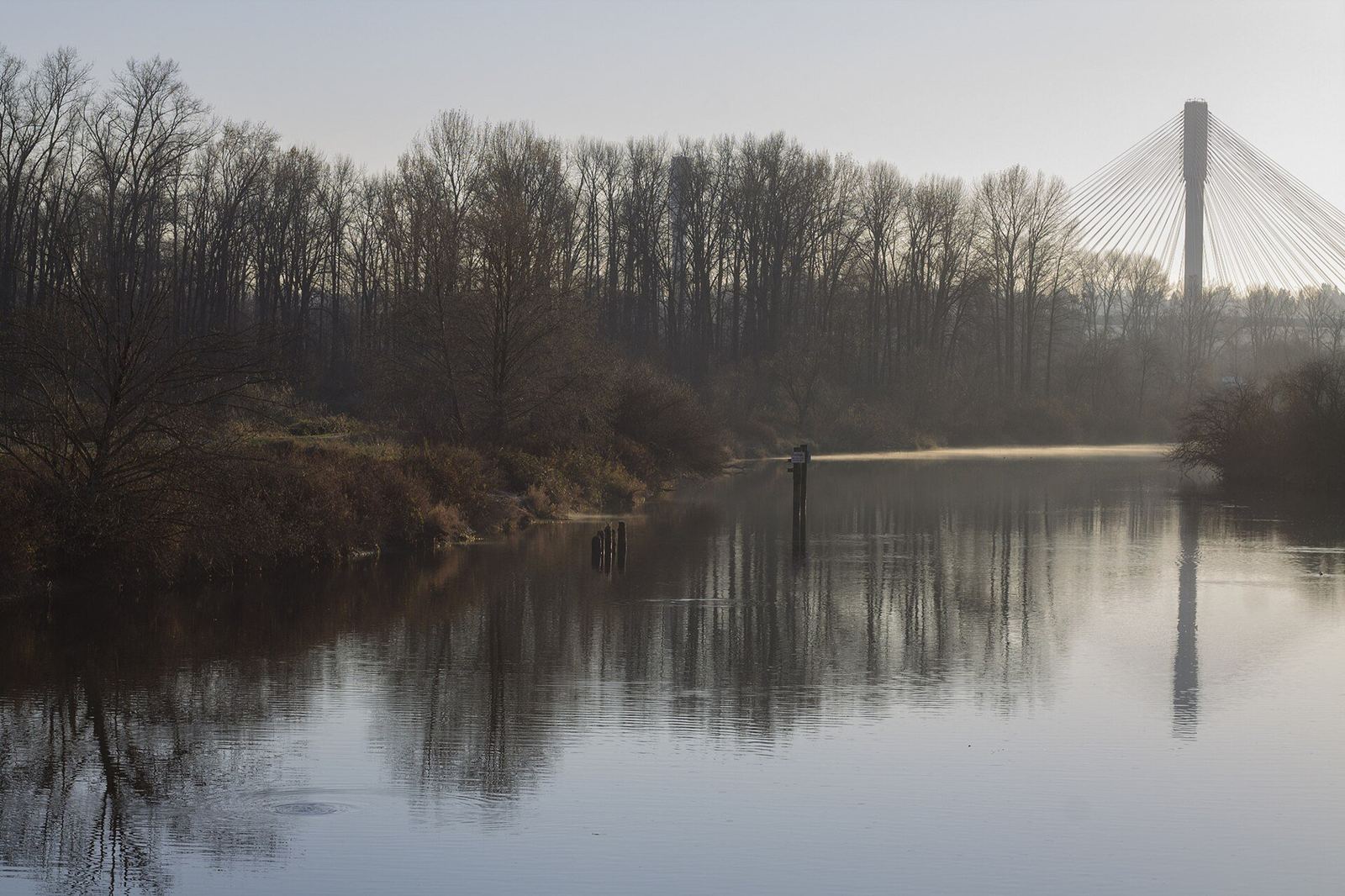
* Cover photo: Jeff Macleod, Wikimedia Commons, CC BY-SA 3.0
Some parks you visit for a playground or a beach. ƛ̓éxətəm Regional Park, the park most Tri-Cities residents still call Colony Farm, you visit for the sky. The 260-hectare park stretches along the Coquitlam River between Coquitlam and Port Coquitlam, and its open meadows and hedgerows make it one of the best birding sites in Metro Vancouver, with more than 200 bird species recorded.
The name and what it asks of you
On July 1, 2023, the Kwikwetlem First Nation and the Metro Vancouver Regional District announced the park's official new name: ƛ̓éxətəm, which translates as "be invited." The renaming was framed as an invitation to join a healing journey, and it changed how the park presents itself. The land acknowledges its first stewards first, and welcomes everyone else second.
You will still hear "Colony Farm" everywhere, from trail conversation to older maps. Both names point to the same place; the new one carries the history forward.
From model farm to habitat
The "Colony Farm" name comes from the land's agricultural past. Colony Farm was once one of the most modern and productive working farms in Canada, a showpiece operation on rich river-bottom soil. The farming era ended, and the land's second life began: today Colony Farm provides important habitat for many animal species and the remarkable bird list that defines it.
That history is still legible in the landscape. The park is open in a way forested parks are not: wide meadows, long sightlines, big skies, and the kind of flat, easy walking that suits every age and mobility level.
The birding
Two hundred species is a serious number, and it makes the park a destination well beyond the Tri-Cities. Birders work the meadows and field edges for raptors, work the wet areas for waterfowl and herons, and keep hoping for the park's most famous residents: the elusive American bittern, a master of camouflage in the reeds, has been photographed here. The changing seasons rotate the cast, from wintering waterfowl to spring migrants to the summer breeding birds.
You do not need a life list to enjoy it. Even a casual walker will notice harriers cruising low over the fields, hear meadowlark-type song from the grass, and watch herons stalk the ditches. Bring binoculars if you have them; bring patience either way.
Walking the park
The trails are flat, wide and exposed, crossing the meadows and following the river. This is not a forest hike: it is a big-country walk in the middle of the city, with mountain views behind the fields. Wind and weather matter more here than in the woods, so dress for open sky. After rain the low paths hold water, and the river sections reflect the Coquitlam's moods.
The park straddles the boundary between Coquitlam and Port Coquitlam, and it is operated by the Metro Vancouver Regional District. Access points and parking sit off the roads that border the fields.
A landscape that keeps its memory
Look closely and the farm never quite disappeared. The field patterns follow the old agricultural parcels, the drainage ditches that once served crops now serve herons, and the hedgerows planted to divide paddocks have grown into exactly the kind of cover songbirds love. It is a working landscape that changed jobs without changing shape, which is part of why the wildlife transition was so successful.
The river adds the wild card. The Coquitlam River along the park's edge is a real, living river with salmon runs, and the floodplain meadows absorb its high water the way they were built to. When the river runs high in fall, parts of the park feel less like a city park and more like a valley bottom in the countryside, which, of course, is exactly what they are.
Visiting through the year
Winter belongs to the waterfowl and the short, bright afternoons on open trails. Spring is migration, the park's busiest season for birds and birders alike. Summer brings long meadow evenings and the densest green. Fall pairs the salmon season on the river with some of the best raptor watching of the year. There is no wrong season, only different casts. Regulars learn the park's calendar the way farmers once learned its fields: by watching what arrives, and when.
Why it matters
ƛ̓éxətəm is the rare urban park whose value is mostly what it does not have: no development, no noise, no pressure on the land beyond light trails. In one of the fastest-growing parts of British Columbia, 260 hectares of open river-bottom meadow is a statement. The birds cast their vote every season, in flocks that can fill a whole field at dusk. For a flat half-hour stroll or a full morning with a scope, this is one of the Tri-Cities' essential outdoor places.
FAQ
What does ƛ̓éxətəm mean?
It translates as "be invited." The Kwikwetlem First Nation and Metro Vancouver announced the new name on July 1, 2023, replacing Colony Farm Regional Park.
Where is Colony Farm Regional Park?
Along the Coquitlam River, straddling Coquitlam and Port Coquitlam. It is operated by the Metro Vancouver Regional District and covers 260 hectares.
What is Colony Farm known for?
Birding. More than 200 bird species have been recorded in the park's meadows and wetlands, including the elusive American bittern.
Sources
Follow Tri-Cities Daily
Daily local news, events and guides on Instagram: @tricitiesdaily
Related stories
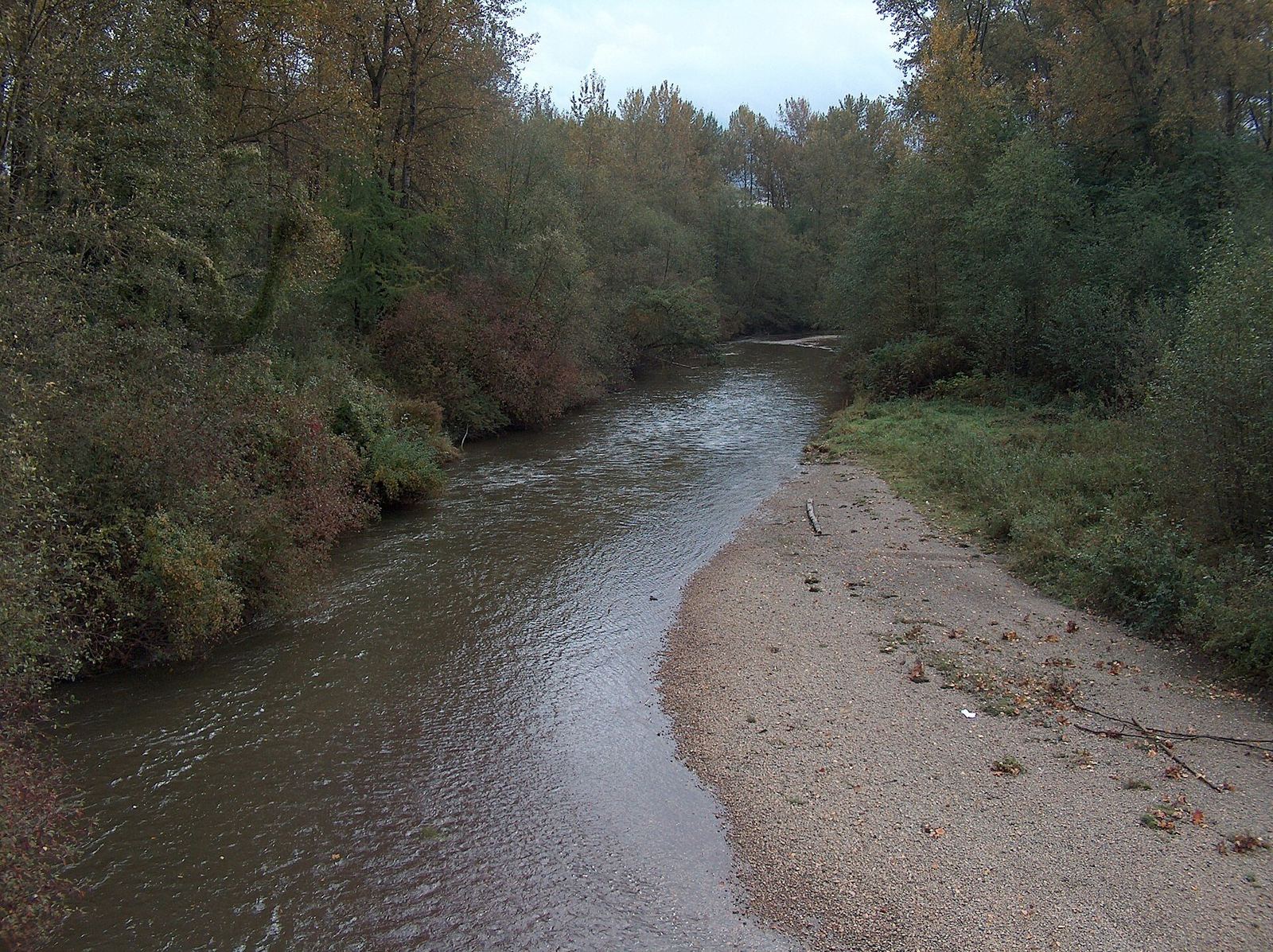
Coquitlam River: the red fish river at the heart of the Tri-Cities
The Coquitlam River runs 18 km from Coquitlam Lake to the Fraser, takes its name from sockeye salmon, and anchors the region's trails and conservation work.
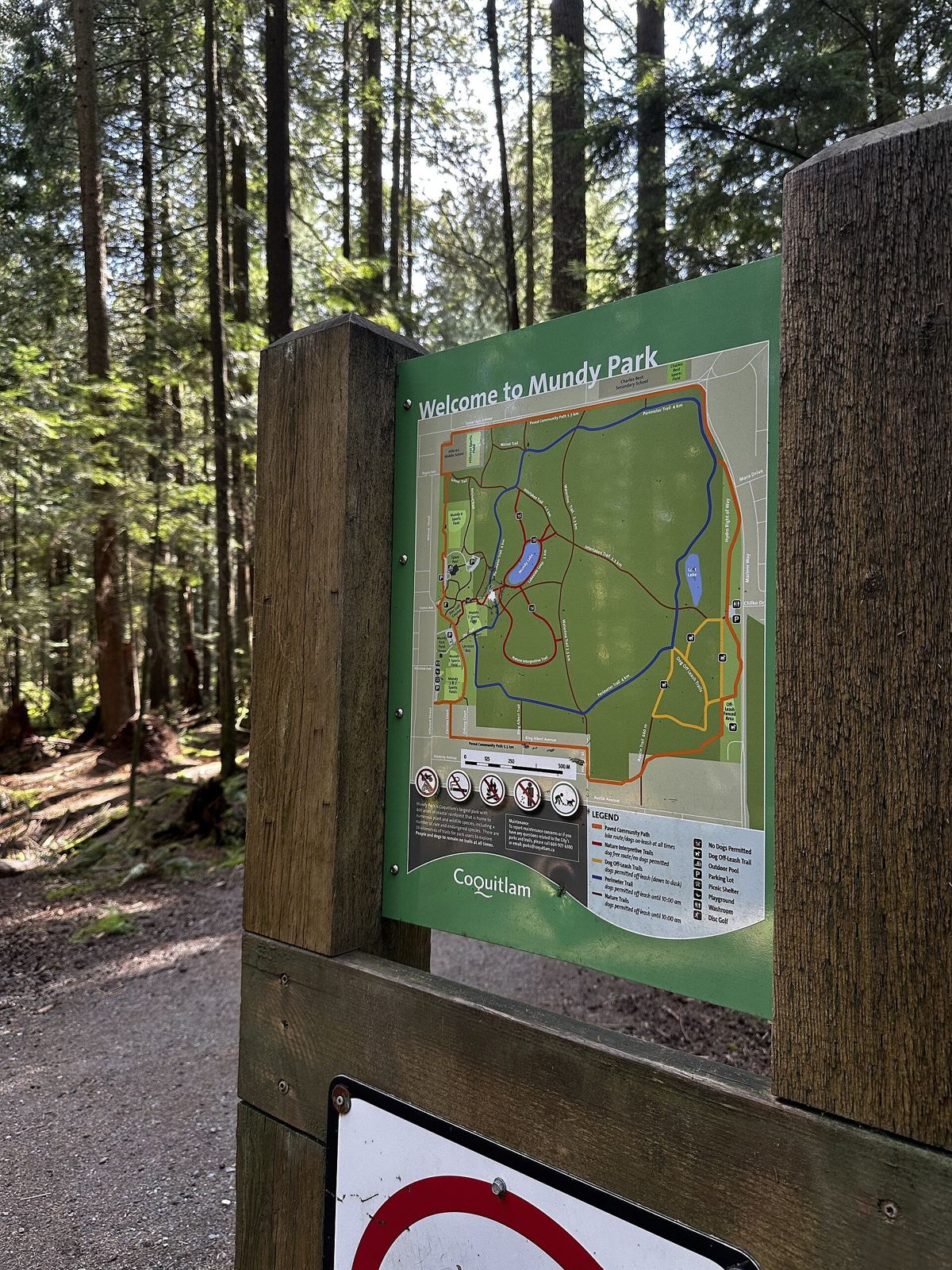
Mundy Park: Coquitlam's biggest park, lakes, trails and all
Mundy Park is Coquitlam's largest park at 176 hectares, with two lakes, forest trails, sports fields, an outdoor pool and disc golf. What to see and do.
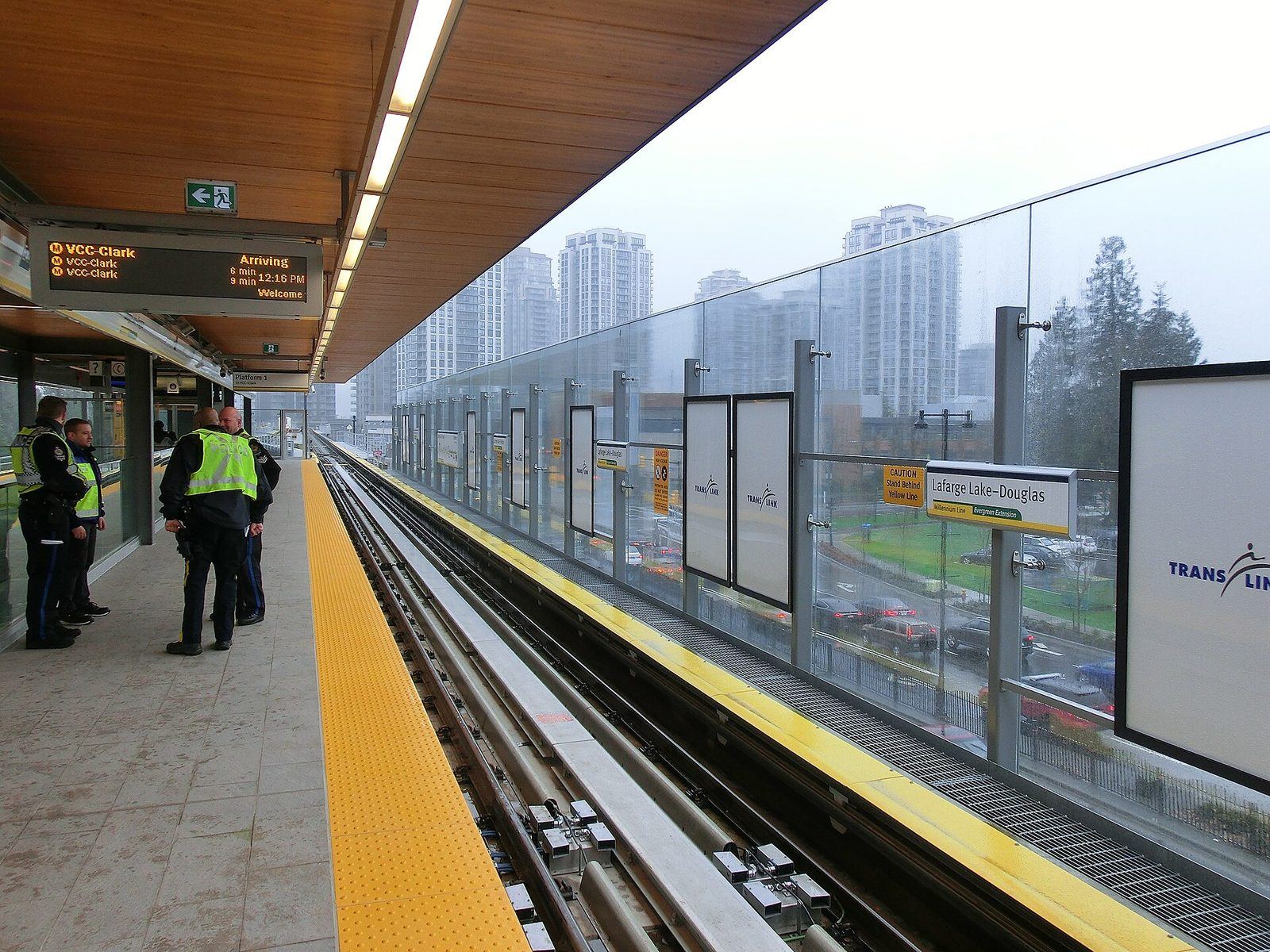
Lafarge Lake and Town Centre Park: Coquitlam's front lawn
Town Centre Park is Coquitlam's 42-hectare city-centre park wrapped around Lafarge Lake, steps from the SkyTrain. Trails, sports, festivals and the.