
Coquitlam River: the red fish river at the heart of the Tri-Cities
Short answer: The Coquitlam River is an 18-kilometre river flowing from Coquitlam Lake to the Fraser River between Coquitlam and Port Coquitlam. Its name comes from Kwikwetlem, meaning red fish up the river, a reference to the sockeye that once filled it.
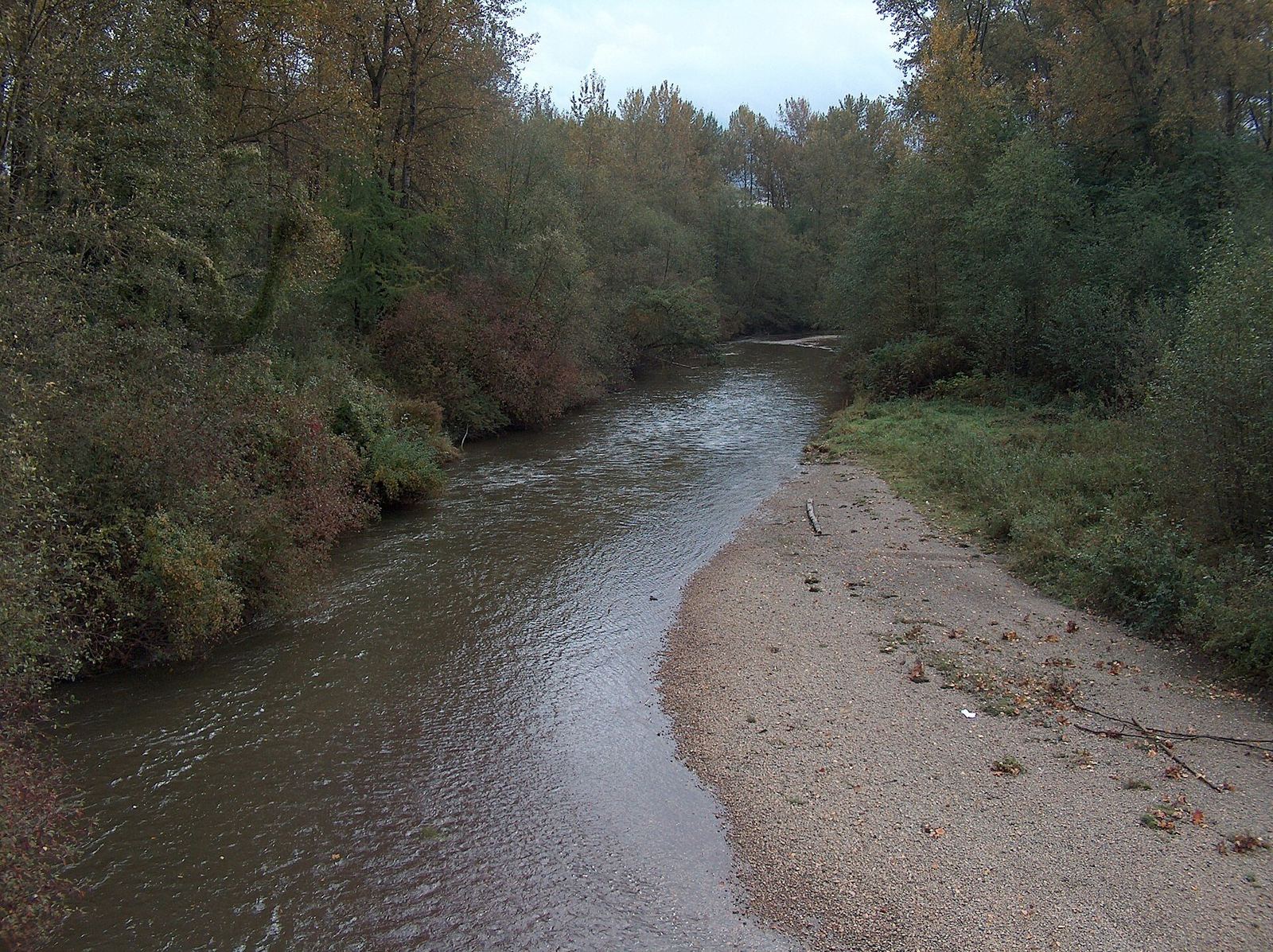
* Cover photo: SpiderRider3, Wikimedia Commons, CC BY-SA 3.0
The Coquitlam River is the waterway that gives the city its name, and for thousands of years it gave the Kwikwetlem First Nation their name too. Kwikwetlem translates to red fish up the river, a reference to the sockeye salmon that once turned the river red on their spawning runs. Today the river runs 18 kilometres from the Coquitlam Dam to the Fraser River, threading between Coquitlam and Port Coquitlam through some of the Tri-Cities' most-loved green space.
From the mountains to the Fraser
The river begins high in the Coast Mountains at Disappointment Lake near Indian Arm, more than 1,000 metres above sea level. It flows south into Coquitlam Lake, the reservoir behind the Coquitlam Dam, then continues from the dam to its mouth at the Fraser River. Along those 18 kilometres it picks up 30 tributaries and winds through a classic meandering landscape of riffles, boulders, undercut banks, islands, and oxbow side channels.
This is a rain country river. The watershed receives a mean annual precipitation of about 3,500 millimetres, and daily discharge can swing from a trickle to a torrent. The mean daily discharge is roughly 14 cubic metres per second, but storms regularly push it to 20 to 50. Floods are part of the river's character: the largest flood on record, in 1921, reached 665 cubic metres per second, and a 1961 flood hit 476.
The red fish
Sockeye salmon defined this river for millennia. The construction of the Coquitlam Dam cut the runs off, and the sockeye that gave the river and its people their names vanished from these waters for more than a century. The Kwikwetlem First Nation, whose territory the river crosses, were the first people of the watershed, living from its salmon long before settlers arrived.
Conservation work has never stopped. Hatchery programs and direct interventions have worked to rebuild salmonid populations, and in recent years the Kwikwetlem First Nation and partners have celebrated the return of sockeye to the Coquitlam system after more than a hundred years away, one of the most hopeful salmon recovery stories in the province. The river and its tributaries support 24 fish species, five of them salmonids, and several species listed under BC and federal species-at-risk processes.
A living urban ecosystem
The lower river is a rare thing: a functioning wild ecosystem inside a city. Its riparian corridor of western red cedar and black cottonwood shelters black-tailed deer and raccoons, while spawning salmon feed black bears and bald eagles. After spawning, salmon carcasses decompose along the banks and fertilize the salmonberry and forest floor, completing a nutrient cycle that links the ocean to the Coast Mountains.
Undeveloped stretches include oxbow lakes, wetlands, and side channels that give young salmon refuge during high water. These habitats are why conservation groups and both cities treat the river corridor as essential green infrastructure.
Trails and tubing
For most residents, the river is experienced from its trails. The Coquitlam River Trail and connecting paths run along the river through both cities, linking to the Traboulay PoCo Trail network. In summer, floating down the lower river in tubes is a beloved, if occasionally controversial, local tradition. Anglers work the river for trout and salmon in season, and the gravel bars near the mouth are a favourite dog-walking territory.
Visitors should respect the river's power. Water levels can rise quickly after rain, and the current is deceptively strong in the canyon sections upstream. Check conditions before swimming or floating, and give spawning salmon space in the fall.
The dam and the drinking water
The Coquitlam Dam, completed in the early twentieth century, turned Coquitlam Lake into one of Metro Vancouver's great drinking water reservoirs. The lake supplies a large share of the region's tap water, which is why the upper watershed above the dam is closed to public access. Below the dam, the river's flows are managed, and minimum flow agreements have become an important tool in the effort to keep the lower river healthy for fish.
The dam is also why the sockeye vanished. With no fish ladder, the spawning runs that defined the river ended, and generations grew up on a red fish river with no red fish. The long campaign to restore passage and returns, led by the Kwikwetlem First Nation with BC Hydro and conservation partners, has become a model watched across the province.
Fall on the river
October is the Coquitlam River's most dramatic month. Coho and chum salmon move up from the Fraser to spawn, eagles and gulls gather to feed, and the gravel bars below the dam draw watchers with cameras and dogs. The surrounding forest of cottonwood and cedar turns yellow against the dark conifers. It is also the season to be careful: spawning salmon are easily disturbed, dogs should be leashed near redds, and fall rains can raise the river within hours.
* Cover photo: SpiderRider3, Wikimedia Commons, CC BY-SA 3.0
FAQ
Why is it called the Coquitlam River?
The name comes from Kwikwetlem, meaning red fish up the river, a reference to the sockeye salmon that once filled it on their spawning runs. The city, the river, and the Kwikwetlem First Nation all share the name.
Can you float the Coquitlam River?
Tubing the lower river is a popular summer activity, but the river can be dangerous. Water levels rise fast after rain and the current is strong in places. Check conditions, wear a life jacket, and avoid the river during and after storms.
Are there salmon in the Coquitlam River?
Yes. Hatchery and restoration work supports chinook, coho, chum, pink, and steelhead, and sockeye have returned to the system in recent years after more than a century of absence caused by the Coquitlam Dam.
Sources
Follow Tri-Cities Daily
Daily local news, events and guides on Instagram: @tricitiesdaily
Related stories
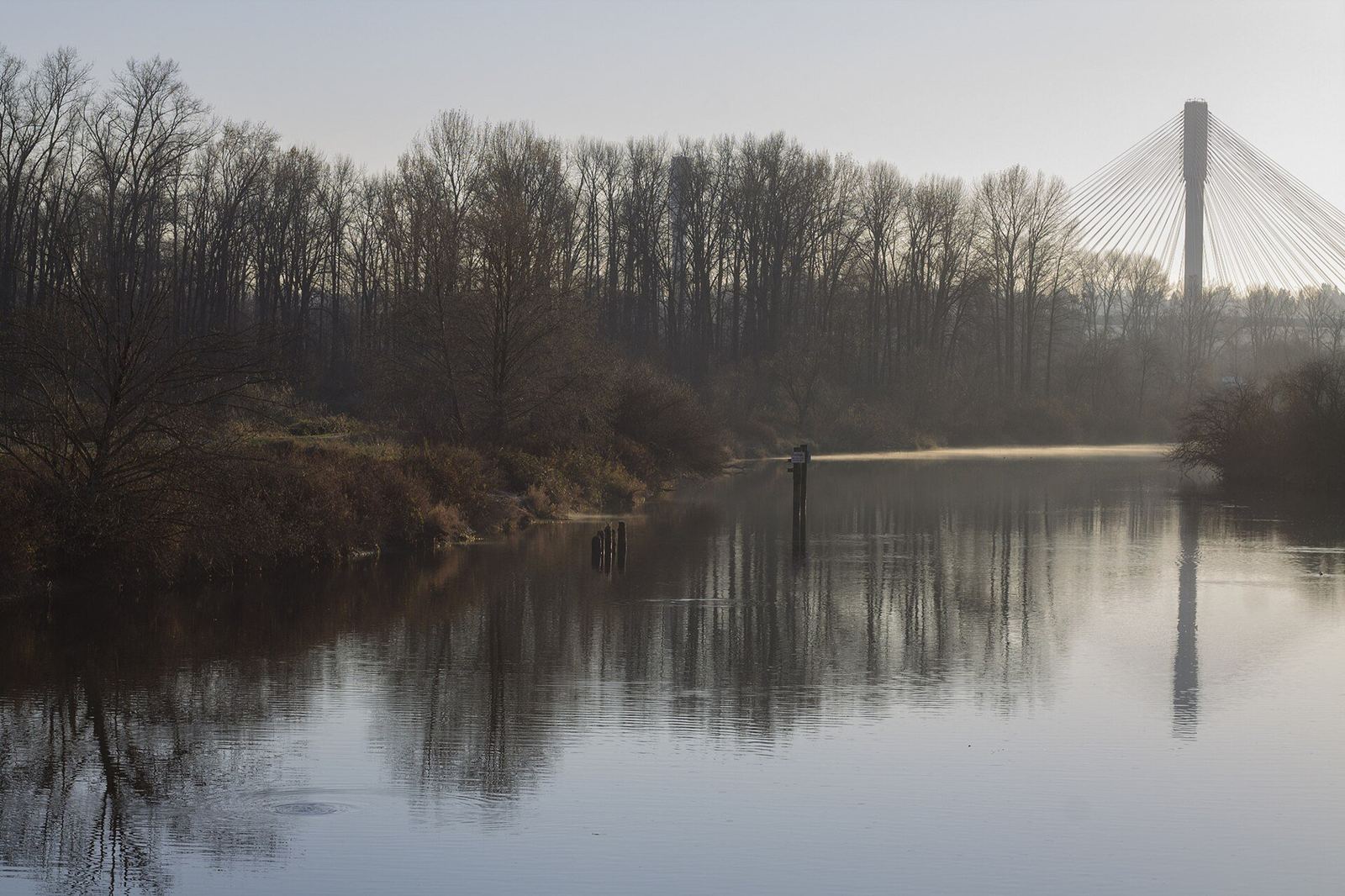
ƛ̓éxətəm (Colony Farm) Regional Park: 260 hectares of bird country
Colony Farm, officially renamed in 2023, is a 260-hectare park on the Coquitlam River with over 200 bird species. The name means "be invited."
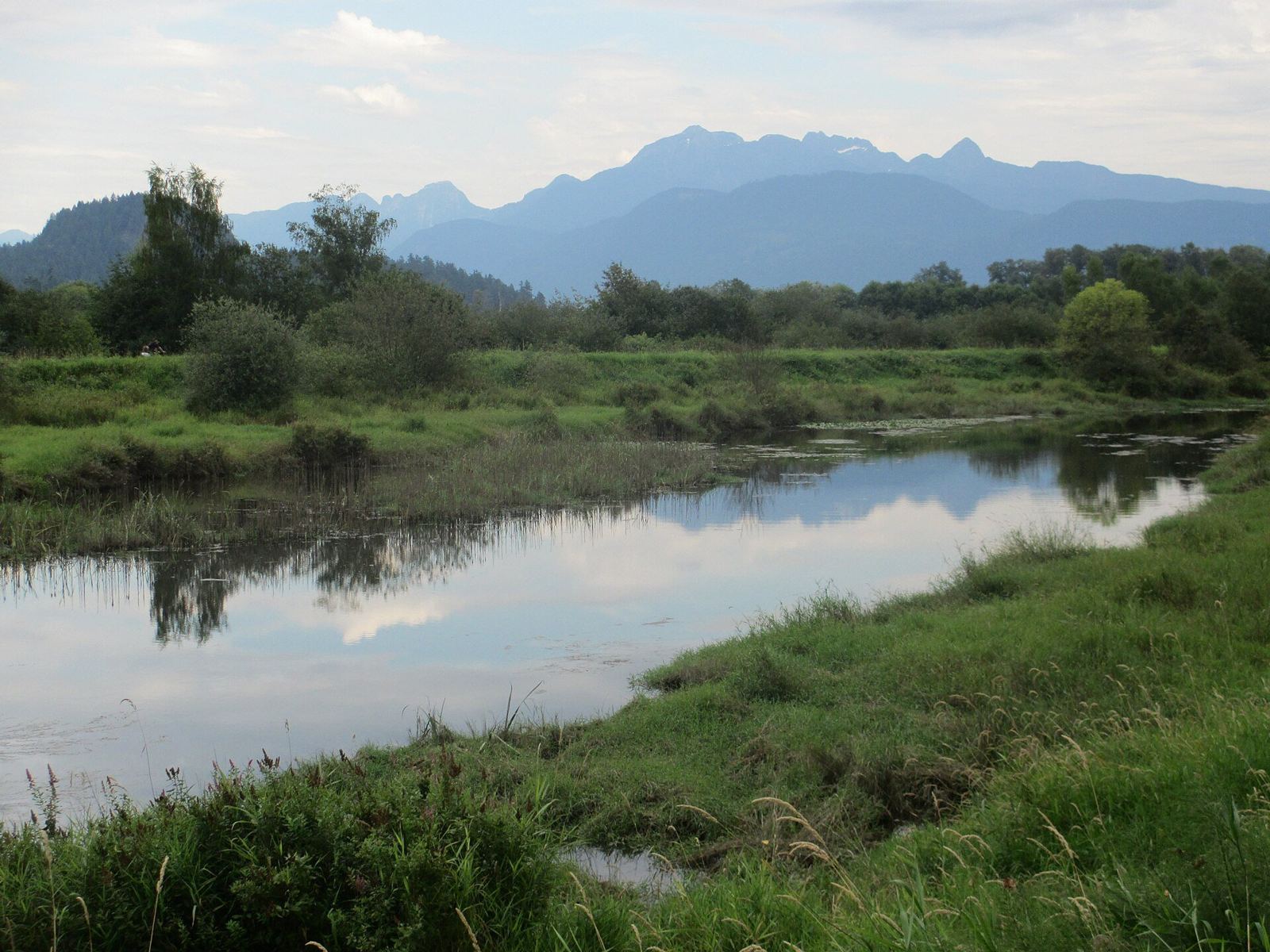
Traboulay PoCo Trail: the 25-kilometre loop around Port Coquitlam
The Traboulay PoCo Trail is a 25.3-kilometre walking and cycling loop around Port Coquitlam along three rivers. History, highlights and how to ride it.
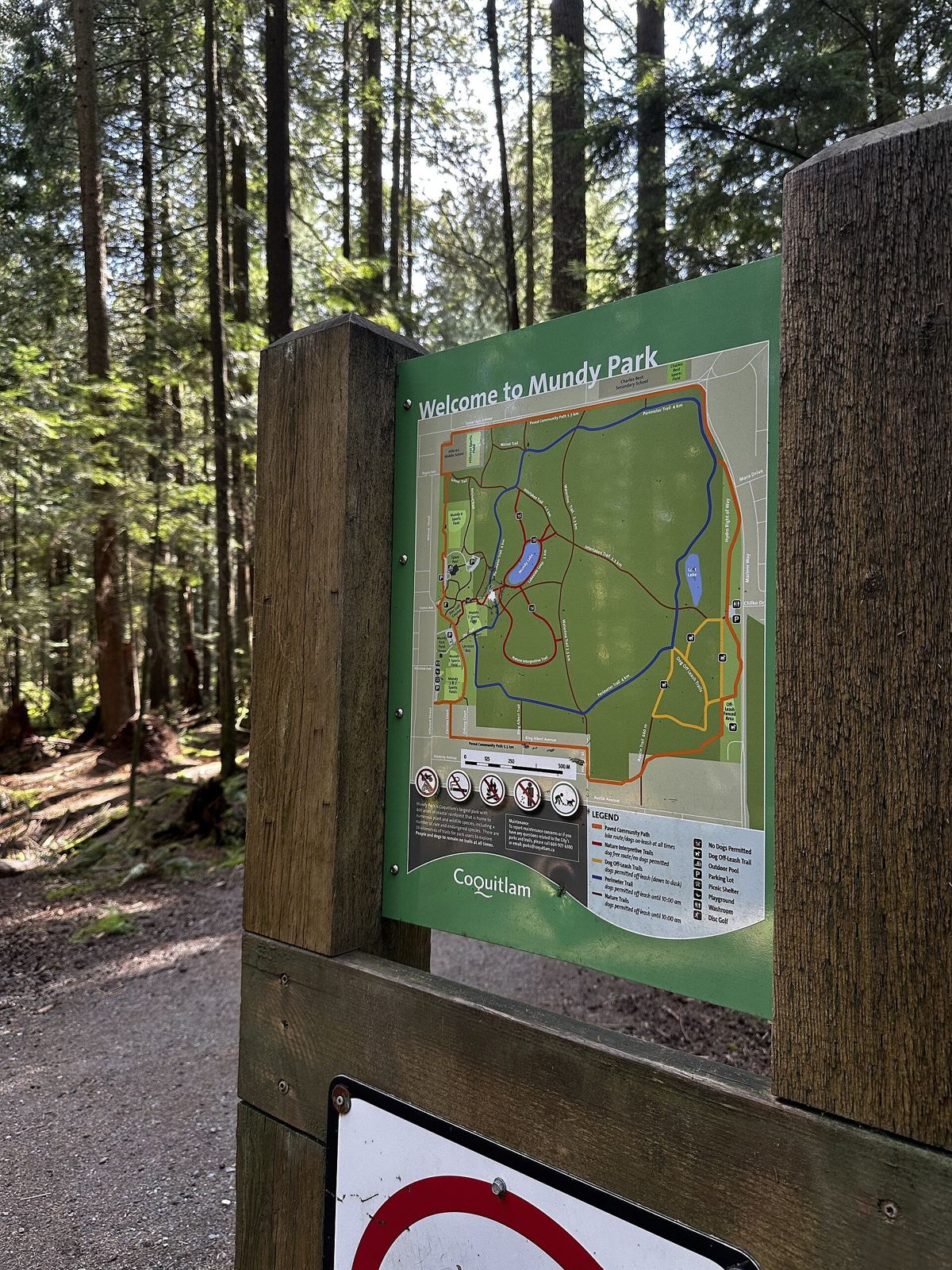
Mundy Park: Coquitlam's biggest park, lakes, trails and all
Mundy Park is Coquitlam's largest park at 176 hectares, with two lakes, forest trails, sports fields, an outdoor pool and disc golf. What to see and do.