
Crystal Falls: why Coquitlam blocked its hidden waterfall trail
Short answer: The Crystal Falls trail was blocked by the City of Coquitlam in early 2021 because most of the 2.8-kilometre route crosses three privately held properties. The city hopes to secure the corridor as part of its Coquitlam River Recreational Trail System, but has no timeline.
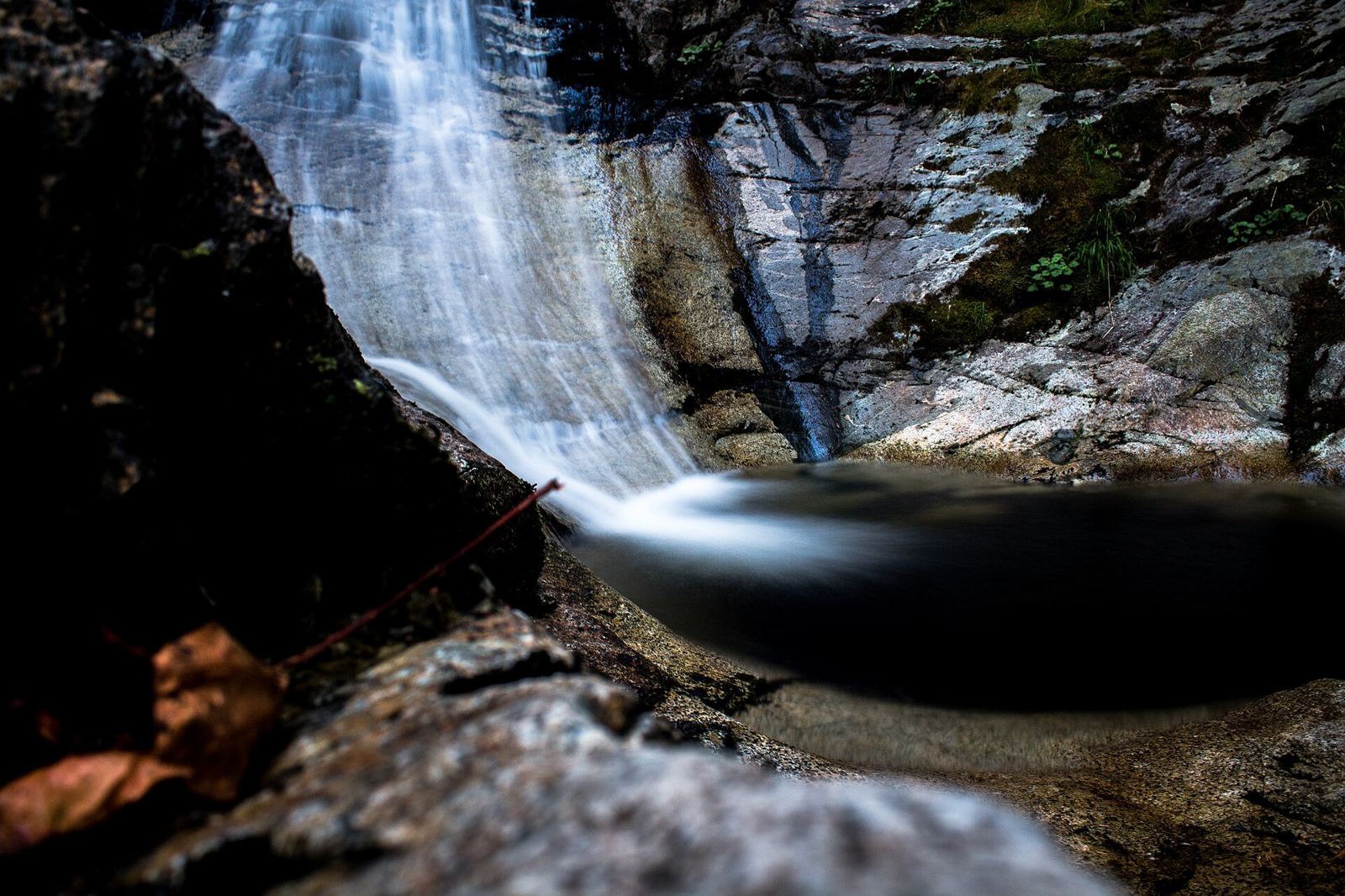
* Cover photo: muntoo, Wikimedia Commons, CC BY-SA 3.0
For years, Crystal Falls was one of the Tri-Cities' worst-kept secrets: a short, mossy walk along the Coquitlam River that ended at a small waterfall tucked into the forest. At its height, the trail saw more than 1,000 hikers a day when the weather warmed up. Today the city says clearly that it is closed, and the story of why says a lot about how an unofficial trail becomes a problem.
Why the trail was blocked
In early 2021, the City of Coquitlam blocked the Crystal Falls trail following complaints from residents living near the trailhead on Karley Crescent. The core problem is land ownership. The roughly 2.8-kilometre route starts on city land and ends on BC Parks land, but in between it crosses three privately held properties. That makes the route a liability, and it means the trail was never an official, city-sanctioned path even at the height of its popularity.
The pressure on the neighbourhood was real. Residents reported hikers parking in front of driveways, using garden hoses to wash off mud, and leaving litter. Neighbourhood representatives asked council for warning signs and a barricade at the trailhead. No gate ever went up, but the city's position has been consistent: the majority of the trail is privately held, and walking it is trespassing.
Hikers keep going anyway
Closure has not stopped everyone. In June 2023, the Tri-City News reported that residents were again raising the alarm about use of the banned path, after an injured hiker had to be extracted from Crystal Falls by helicopter longline in late May of that year. Coquitlam RCMP received the report of the injured hiker on May 28 at around 1:30 p.m., and emergency services used a helicopter to lift them to safety, an operation one neighbour noted was a costly one for taxpayers.
Doron Fishman, Coquitlam's manager of park planning and design, acknowledged at the time that the trail "continues to see some use despite the city's best efforts to clarify that the majority of the 2.8-km trail is privately held and therefore not an official city-sanctioned trail."
What the walk was like
The route's appeal is easy to understand. From an unmarked trailhead where Shaughnessy Street meets Karley Crescent, the path dropped into the forest and ran parallel to the Upper Coquitlam River, dipping to the river's edge before climbing back up through moss-covered woods. It was an easy, roughly hour-long outing, muddy for much of the year, with small streams to step across and a famously abandoned old blue pickup truck partway in as a landmark. The falls themselves, where Pritchett Creek spills down the rock, sit a few metres up the final creek.
A patchwork of three kinds of land
The map explains everything about this story. The first stretch of the route, near the Karley Crescent trailhead, sits on city land. The far end, around the falls, lies on BC Parks land. Between those two public bookends, the trail threads across three private properties whose owners never agreed to host a hiking route. When use was light, that patchwork went largely unnoticed. Once social media pushed traffic past a thousand hikers a day, the arrangement collapsed under its own popularity, and the neighbours closest to the trailhead absorbed the impact.
The safety dimension sharpened the debate. The 2023 helicopter extraction showed that rescues on an unsanctioned, unmaintained route still fall to emergency services, whatever the trail's legal status. A closed trail that people still use is, in practice, a risk everyone shares.
The city's long-term plan
The story may not end with closure. Fishman told the Tri-City News the city is trying to secure the trail as part of its planned Coquitlam River Recreational Trail System. Completing that vision depends on whether the city can secure the private lands within the Riverwalk neighbourhood that the route crosses. As of the city's most recent comments, there is no specific timeline for implementation.
In other words: Crystal Falls could one day return as a legitimate, public trail, but only if the land question is resolved. Until then, the city is explicit that the trail is closed and that entering it means trespassing on private property.
Where to hike instead
Coquitlam's answer to disappointed waterfall hunters is its official trail network: about 90 kilometres of city trails listed on the city's trail system page. Nearby options with the same river-and-forest character include the legitimate paths along the Coquitlam River corridor and the forested loops in the city's larger parks. For a waterfall fix, hikers are better off choosing an official route and leaving Crystal Falls alone until the city either opens it properly or confirms it will stay closed.
The practical takeaway: check the City of Coquitlam's trail pages before heading out, respect the closure, and keep an eye on the Coquitlam River Recreational Trail System plans. If the city secures the private parcels, Crystal Falls may get a second life as a trail everyone can use legally.
FAQ
Is the Crystal Falls trail open?
No. The City of Coquitlam blocked the trail in early 2021. Most of the 2.8-kilometre route crosses three privately held properties, and walking it is trespassing.
Why was the Crystal Falls trail closed?
The city acted after complaints from nearby residents about parking, litter and trespassing, and because the trail crosses private land, creating liability. At its peak it saw more than 1,000 hikers a day.
Will Crystal Falls ever reopen?
Possibly. The city says it is trying to secure the corridor as part of the Coquitlam River Recreational Trail System, but that depends on acquiring or arranging access across private lands, and there is no timeline.
Sources
Follow Tri-Cities Daily
Daily local news, events and guides on Instagram: @tricitiesdaily
Related stories
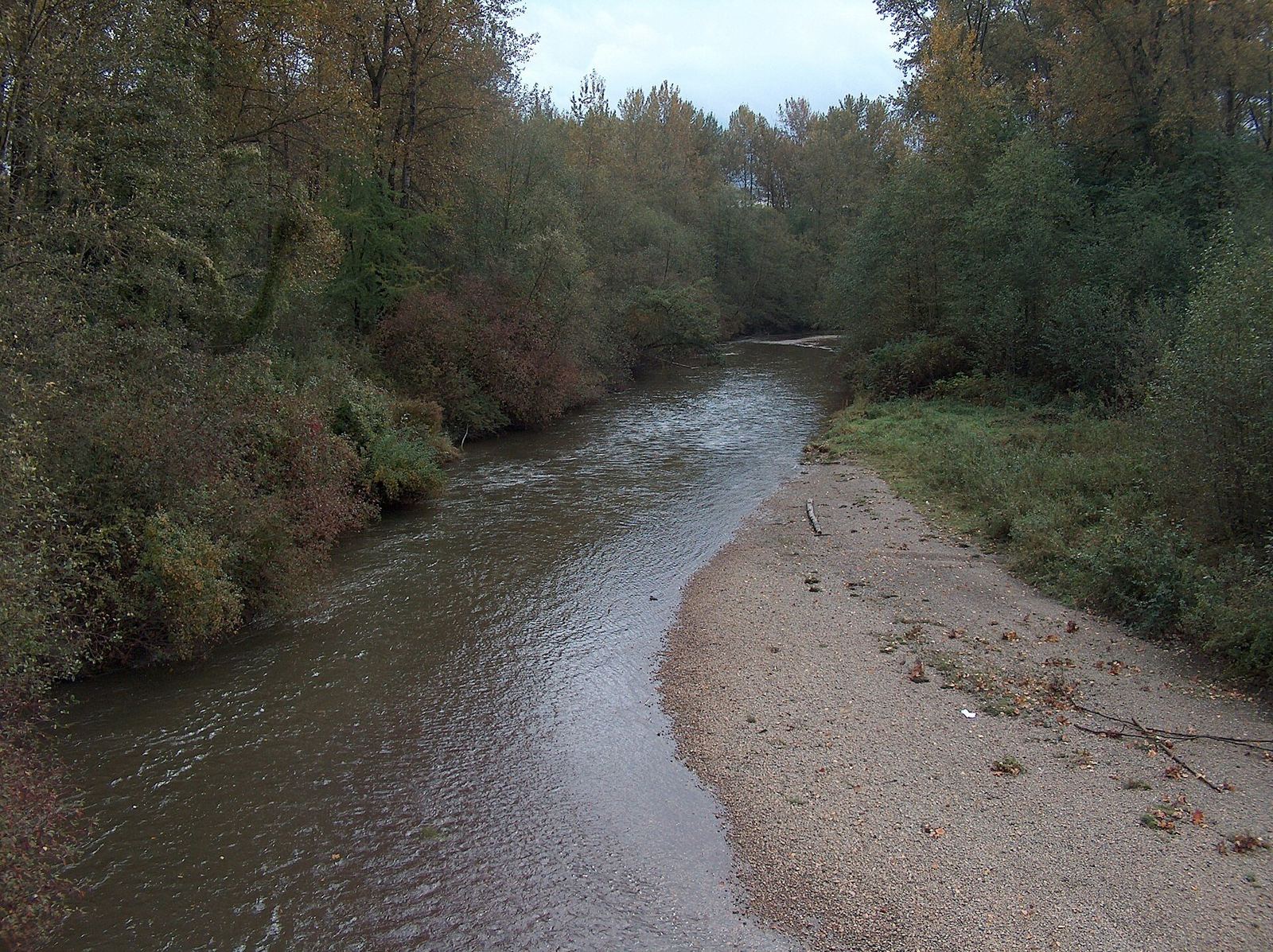
Coquitlam River: the red fish river at the heart of the Tri-Cities
The Coquitlam River runs 18 km from Coquitlam Lake to the Fraser, takes its name from sockeye salmon, and anchors the region's trails and conservation work.
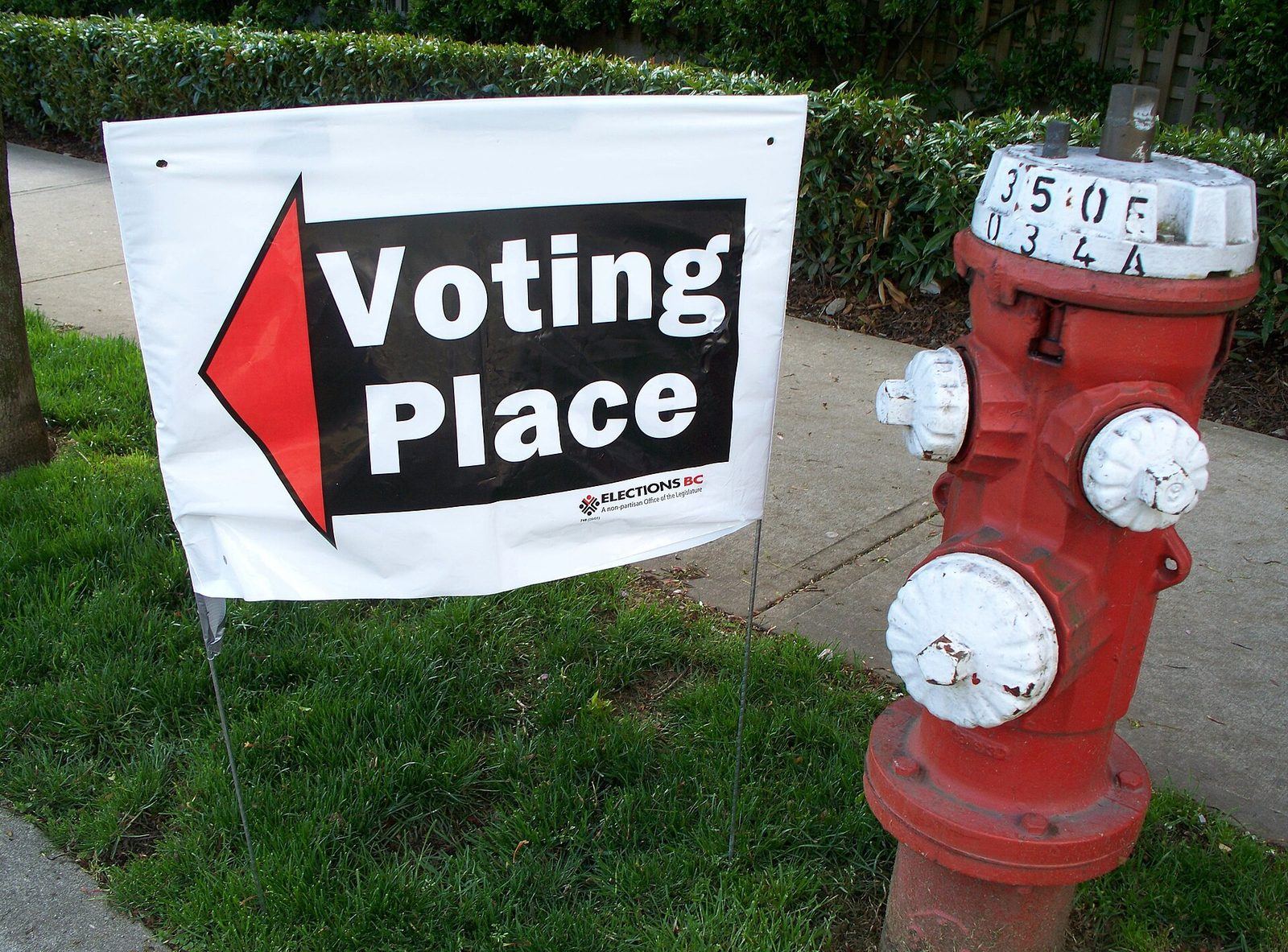
Tri-Cities votes today: 2026 municipal election guide
Polls are open 8 a.m. to 8 p.m. across Coquitlam, Port Coquitlam and Port Moody for the 2026 general local election. Where to vote and what to bring.
Coquitlam Crunch: the city's outdoor stair-climbing gym
The Coquitlam Crunch is a 2.2-kilometre uphill trail with 242 metres of elevation gain and 894 stairs. Access points, parking and how to do the workout.