
Fort Langley: the birthplace of BC, an easy day trip east
Short answer: Fort Langley National Historic Site in Langley preserves the Hudson's Bay Company fur trade post founded in 1827, where the Colony of British Columbia was proclaimed in 1858. The site has a visitor centre and a reconstructed fort with ten palisaded structures, about 45 minutes from the Tri-Cities.
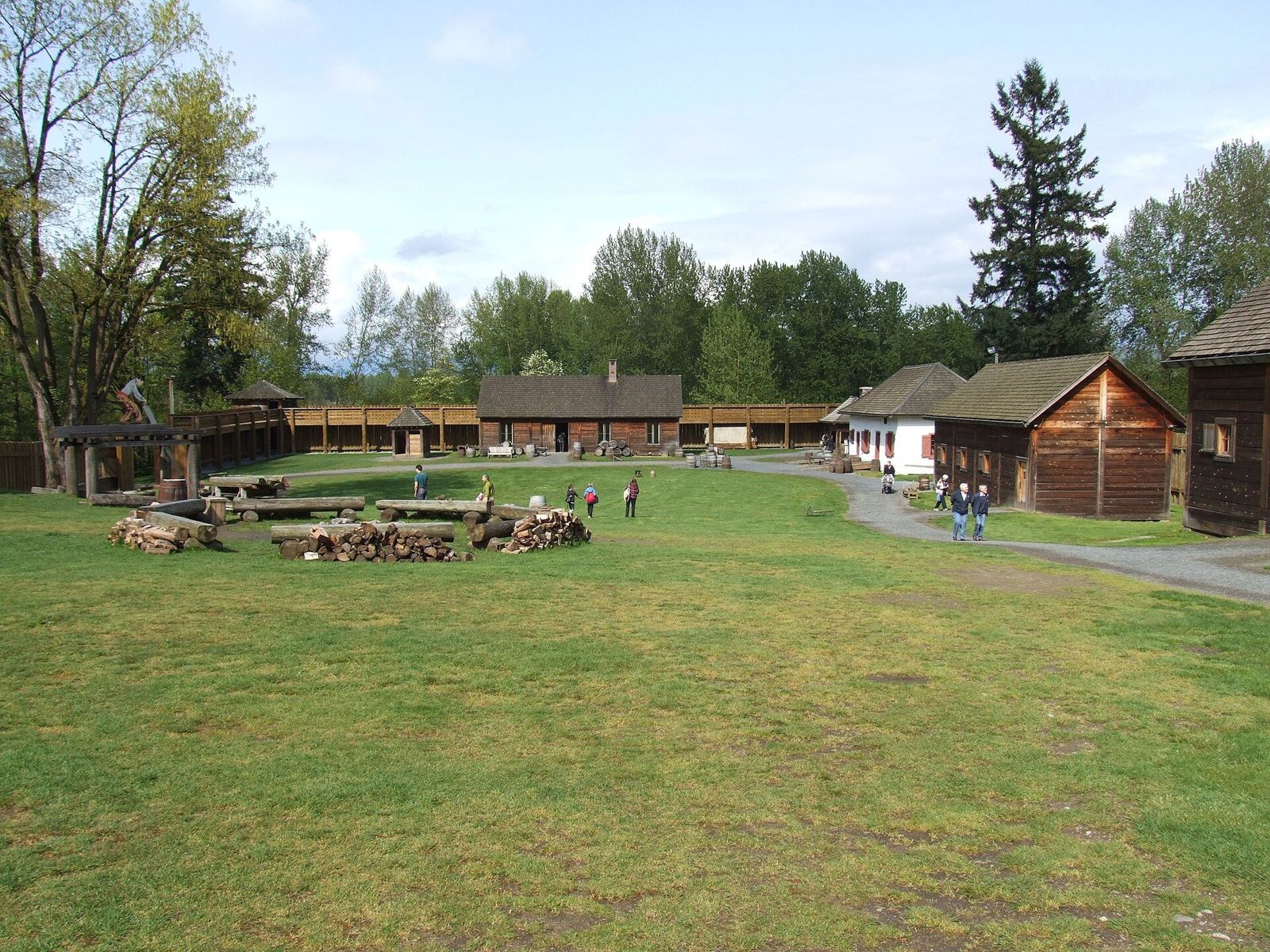
* Cover photo: Xiao23, Wikimedia Commons, CC BY-SA 3.0
Every Tri-Cities family should do this drive once a year: forty-five minutes east on Highway 1 to the place where British Columbia officially began. Fort Langley National Historic Site preserves the Hudson's Bay Company trading post on the Fraser River where, in 1858, the Colony of British Columbia was proclaimed, and the village around it has grown into one of the Fraser Valley's best day-trip destinations.
The fort
The national historic site sits above the banks of the Bedford Channel, across from McMillan Island. Inside the wooden palisades, a largely reconstructed trading post contains ten structures, brought to life by Parks Canada interpreters, demonstrations and exhibits. The visitor centre sets the scene: this was a fur trade post, founded in 1827, where the HBC traded with the Kwantlen and other First Nations, and where salmon and cranberries joined furs in the trade economy.
The fort's claim on history is bigger than its size. When gold hit the Fraser in 1858 and thousands of American miners poured north, Britain moved to secure the mainland, and it was here that the new Colony of British Columbia was proclaimed. The site brands itself, fairly, as the birthplace of BC.
The trade that made the post
It is worth pausing on what actually moved through the fort. Furs headed the manifest, but the post's traders also dealt in Fraser River salmon, packed for export, and cranberries gathered from the local bogs, a crop the region still grows. That mixed trade, run in partnership with the Kwantlen and neighbouring nations, is what made a remote riverside post worth keeping, and it is why the site today talks as much about food and exchange as about muskets and palisades.
The Kwantlen connection
Fort Langley is Kwantlen territory, and the site has been working to tell that side of the story properly. In 2019, students of Langley Fine Arts School worked with Kwantlen Nation community members on This is Kwantlen, a project to increase Indigenous representation at the fort, displaying photographs and biographies of Kwantlen First Nation members at the site and through the village. The fort's history is inseparable from the First Nations who traded with it, worked at it and shaped it.
The village
The community of Fort Langley around the site is half the trip. The village main street runs to heritage storefronts, antique shops, bakeries, coffee shops and riverside restaurants, all in walking distance of the fort. It is one of the few places near Vancouver where a whole village core reads as genuinely historic, because much of it is. Weekends bring the crowds; weekday mornings are the local's choice.
Visiting from the Tri-Cities
From Coquitlam, take Highway 1 east to the 200 Street or 216 Street exits and follow the signs north into the village, about forty-five minutes outside rush hour. The site is open year-round with seasonal programming; Parks Canada lists hours and admission on its page. The classic visit pairs the fort in the morning with lunch and a wander through the village after. Kids get musket drills and blacksmithing demos; adults get one of the best-told origin stories in the province.
The river that built it
The fort stands where it does because the Fraser was the highway. The Bedford Channel gave the HBC a defensible, navigable front door, and the trade goods, furs, salmon and cranberries moved by canoe and boat long before any road reached this bend in the river. Walking the riverbank behind the fort today, past the rowing club and the moored boats, you are looking at the same water that decided where British Columbia would begin.
Making a day of it
The full Fort Langley day has a natural rhythm, and it rewards an early start. Arrive at opening, beat the tour groups, and have the palisades briefly to yourself. Arrive at opening, tour the fort while the demonstrations are fresh, then cross into the village for lunch. The afternoon belongs to the antiques shops, the museum at the old CN station, and the river walk. In December the village leans into the season with lights and events; in summer the fort runs its biggest programming calendar. Whenever you go, budget more time than you think: the village has a way of stretching a quick visit into a whole afternoon.
Why it belongs on the list
The Tri-Cities' own history, from the Fraser Mills that founded Maillardville to the CPR that founded Port Moody, is younger than it feels. Fort Langley is where the region's clock actually started, and standing inside the palisades makes the whole Lower Mainland's story snap into focus. For a region growing as fast as this one, an afternoon at the beginning is time well spent. Pair it with the Fraser Valley's farm country on the drive home and the day writes itself. Kids get a fort; adults get the story; everyone gets lunch in a village that has been perfecting the day trip for a century.
FAQ
What is Fort Langley known for?
It is the Hudson's Bay Company trading post founded in 1827 where the Colony of British Columbia was proclaimed in 1858, often called the birthplace of BC.
How far is Fort Langley from the Tri-Cities?
About forty-five minutes by car via Highway 1, in the Township of Langley on the Bedford Channel of the Fraser River.
What is there to do at Fort Langley?
Tour the reconstructed fort's ten palisaded structures with Parks Canada programming, visit the visitor centre, then explore the historic village's shops, bakeries and riverside restaurants.
Sources
Follow Tri-Cities Daily
Daily local news, events and guides on Instagram: @tricitiesdaily
Related stories
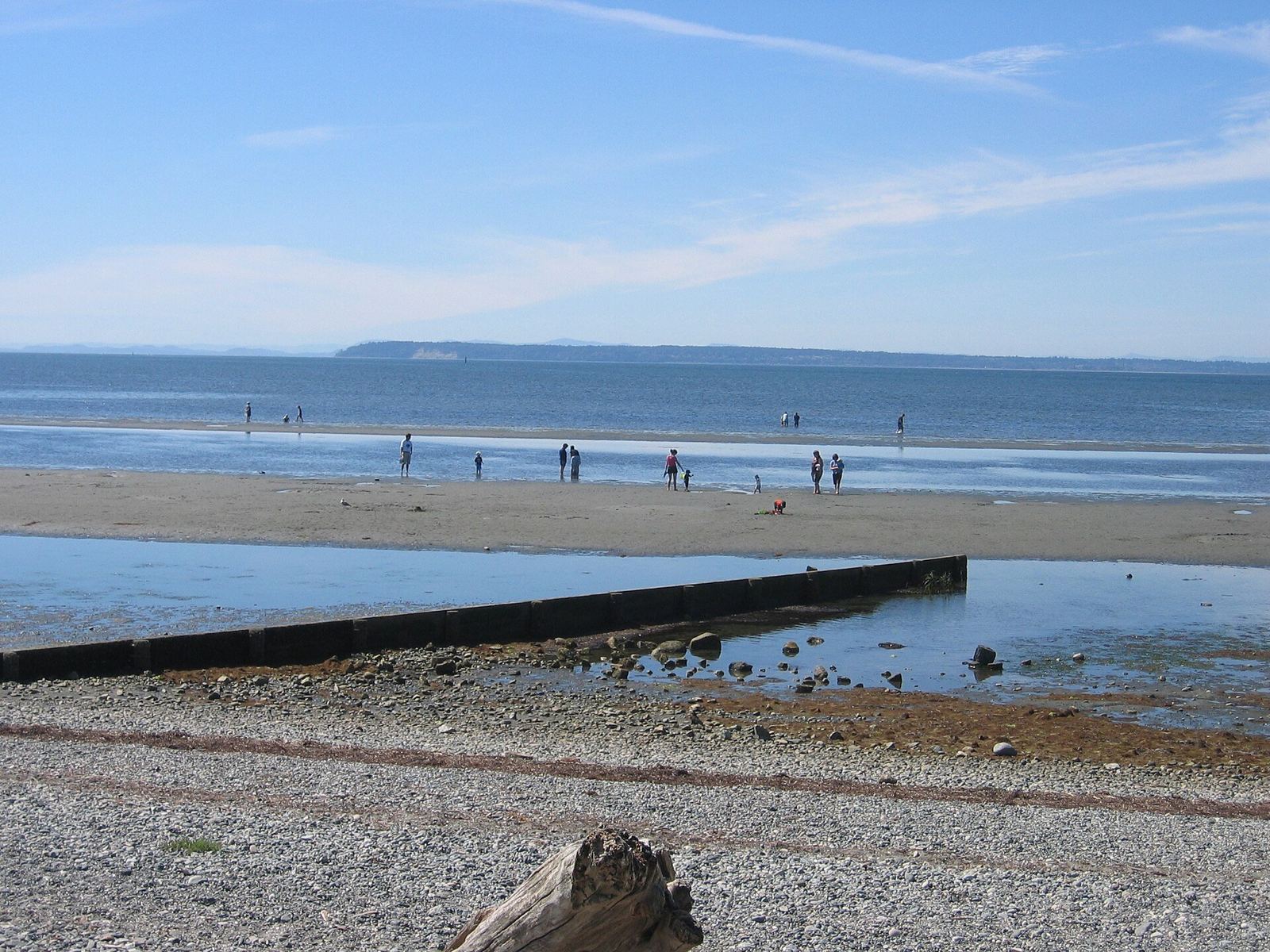
Crescent Beach: Surrey's old-fashioned seaside, forty minutes away
Crescent Beach is a small beachside community in South Surrey on Boundary Bay, home to about 1,200 residents, with a long sandy shoreline and village strip.
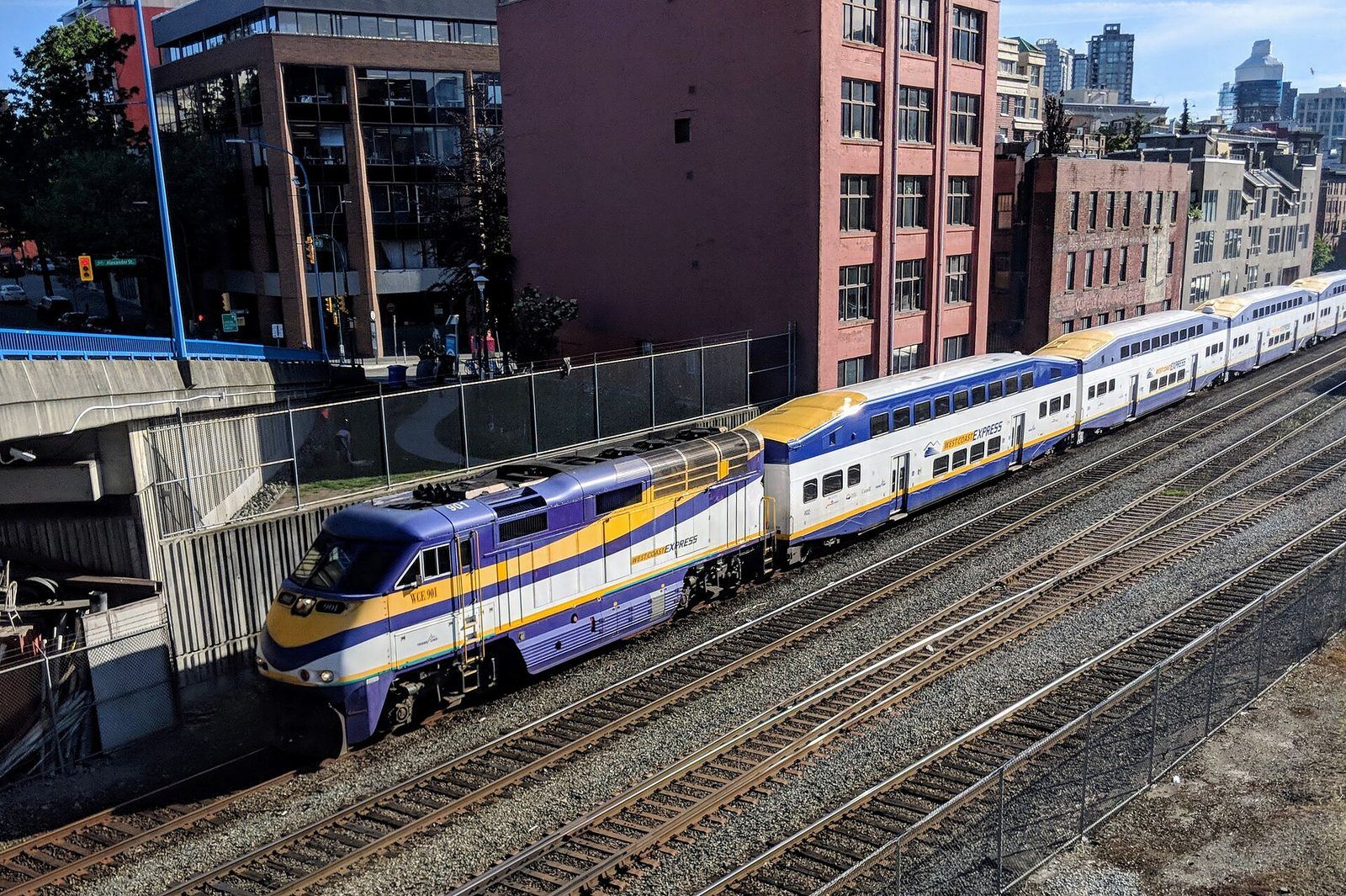
West Coast Express: the Tri-Cities commuter train, explained
The West Coast Express links all three Tri-Cities to downtown Vancouver on weekday rush hours. Stations, train times, direction rules and how it fits with.
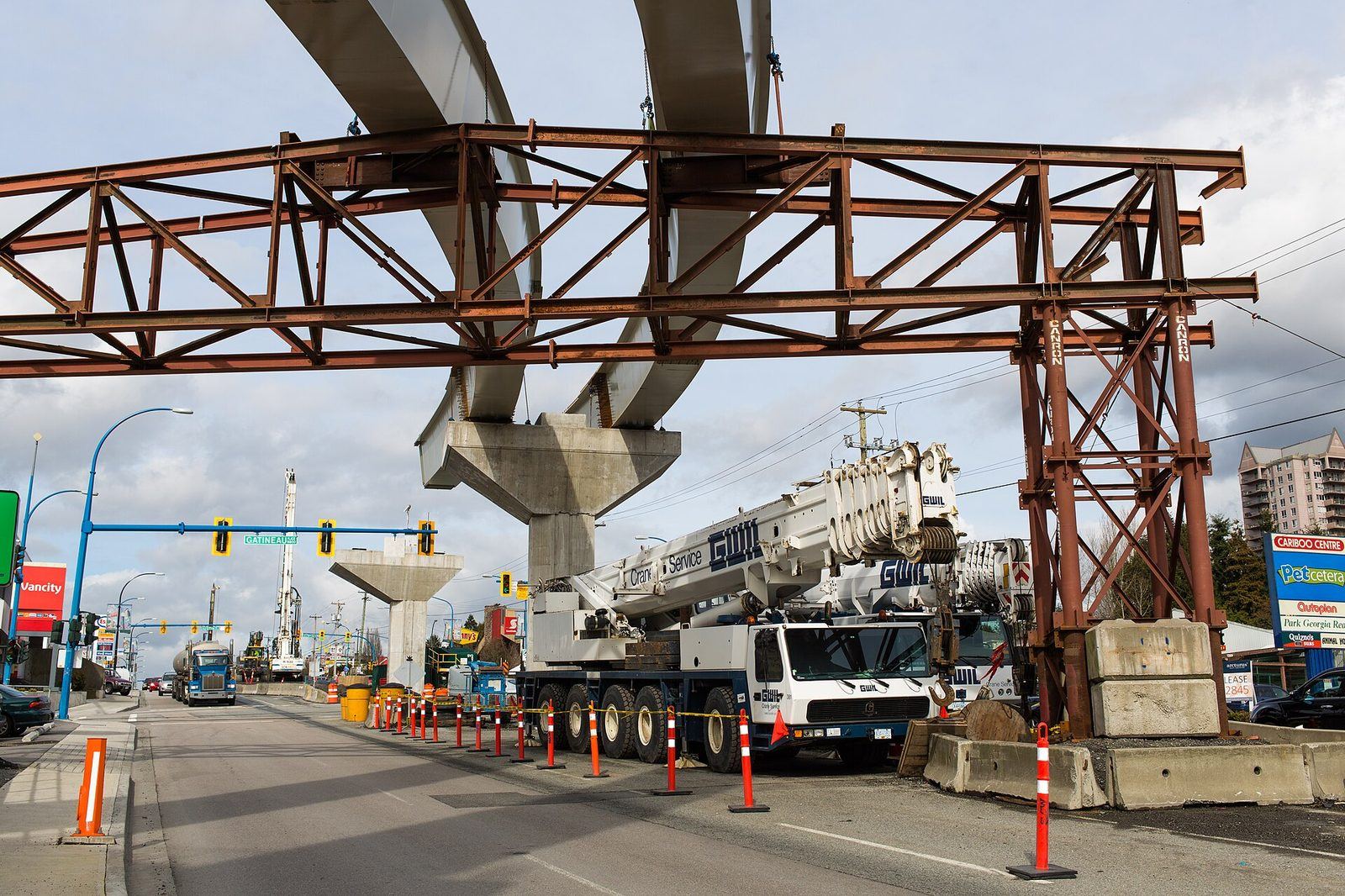
The Evergreen Extension: the Tri-Cities' SkyTrain, explained
The Millennium Line's Evergreen Extension put the Tri-Cities on the SkyTrain map in 2016. Stations, connections and why it changed the region.