
Crescent Beach: Surrey's old-fashioned seaside, forty minutes away
Short answer: Crescent Beach is a beachside community in South Surrey on Boundary Bay, home to about 1,200 residents. It offers a long sandy shoreline, warm shallow swimming, a waterfront promenade and a small strip of cafes and restaurants, about forty minutes from the Tri-Cities.
* Cover photo: Arnold C, Wikimedia Commons
Some beaches are day trips. Crescent Beach feels like a holiday. The little South Surrey community on Boundary Bay, home to about 1,200 residents, mostly in single-family homes, has kept the scale and pace of an older seaside, and it sits close enough to the Tri-Cities for a spontaneous evening trip when the forecast turns good.
The place
Crescent Beach sits within the South Surrey area of the City of Surrey, on the curve of Boundary Bay next to Mud Bay, across the water from Delta. The community is small and largely residential, the kind of place where the corner store and the fish-and-chips line set the rhythm. The neighbourhood takes its name from the crescent curve of the bay itself.
The beach
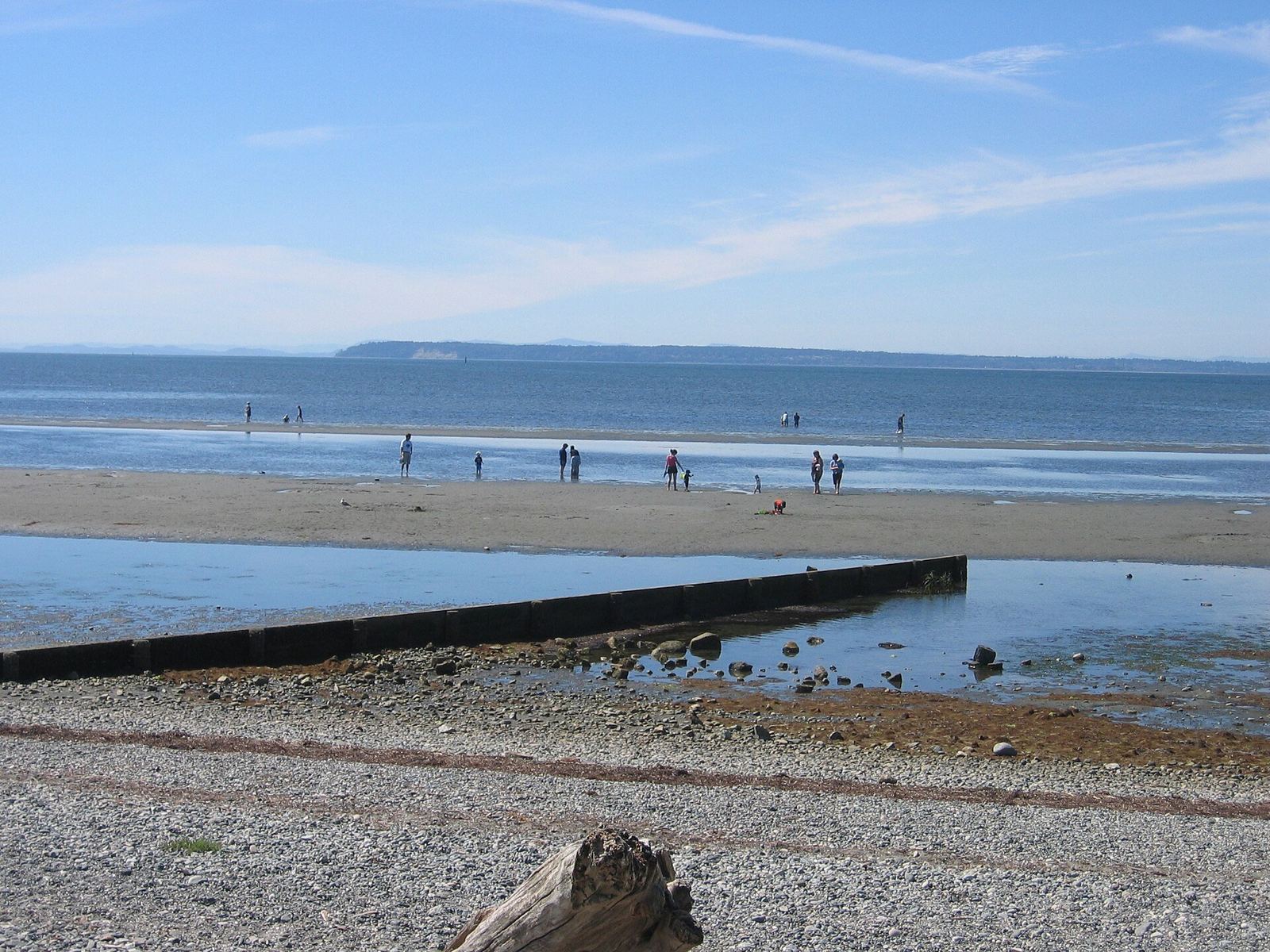
The draw is the shoreline: a long, sandy arc of beach facing the shallow waters of Boundary Bay. Because the bay is shallow and sheltered, the water here warms faster than the open coast, and at low tide the flats stretch far out, turning the beach into a giant wading and exploring ground. It is one of the classic family beaches of the Lower Mainland for exactly that reason: small kids can range widely in water that barely reaches their knees.
The shoreline promenade and the groynes reaching into the bay give the beach its bones, and on any warm evening the waterfront fills with walkers, dogs and sunset watchers. The view across Boundary Bay takes in the Gulf Islands and, on clear days, Mount Baker floating over everything to the southeast.
A resort that never grew up
The beach has been drawing visitors for more than a century, but it began drawing them long before that: the Semiahmoo First Nation's archaeological deposits of clams, charcoal and fire-cracked rock, three to five metres deep in places, literally built up much of the land base. Spanish sailors charted the point as San Rafael Point, and the first European owner of the area was John Musselwaite of the Royal Engineers in 1871.
The modern beach era arrived with rails and promotion. In 1909 the Great Northern Railway connected the area from Blaine, Washington to New Westminster, putting the beach within reach of Vancouver residents. Permanent dikes, established in 1913 and now serving as the waterfront walkway, allowed subdivision. The Crescent Beach Development Company promoted the area as a resort from 1912, and that same year Captain Watkin Williams opened the 21-room Crescent Beach Hotel, with a restaurant, store and post office. Notable Vancouverites began building summer homes; the hotel burned down in February 1950, and the beach settled into the quiet residential seaside it remains. A Japanese-seeded oyster business thrived for decades until the Crescent Oyster Company closed in 1961.
Landmarks and locals
The community's landmarks are modest and loved: Alexandra Neighbourhood House, the Wickson Pier, and Blackie Spit Park at the northern end, created by the City of Surrey in 1996. Blackie Spit is one of the region's birdwatching sites, an annual Pacific Flyway rest stop for some 300 species of birds, including 10,000 ducks and geese, and the only area in Boundary Bay where purple martins nest. Its eelgrass meadows, mud flats and tidal marsh work year-round.
The local institution is the Crescent Beach Swim Club, offering children swimming, sailing, tennis, water polo, volleyball and triathlon lessons. And Beecher Street, known locally as the Marine Drive of Crescent Beach, holds the bistros, ice cream cafes and small stores that cap a beach day.
Practical notes
Two road accesses, Crescent Road and McBride Avenue, both cross the BNSF Railway, which is part of why the beach feels apart from the city. TransLink's route 350 connects the beach to White Rock Centre. And one swimmer's detail worth knowing: the beach provides showers for washing feet and legs, a defence against swimmer's itch, the short-lived rash caused by waterborne parasites in warm shallow bays.
Getting there from the Tri-Cities
From the Tri-Cities, Crescent Beach is about forty minutes by car via Highway 1 or Highway 99 and the King George Boulevard corridor into South Surrey. Parking near the waterfront is limited and competitive on summer weekends, so arrive early or aim for an evening visit. The beach pairs naturally with a stop in White Rock, a few kilometres west, for a full Boundary Bay day.
When to go
Summer is peak: warm shallows, busy promenade, long light. But the beach earns visits year-round. Fall storms put on a show across the bay, winter walks are bracing and crowd-free, and spring brings the shorebirds and the first barefoot days. The local's trick is the evening visit: arrive after six on a summer day, park easily, and get the sunset over the water with the day crowds already gone.
Why it makes the list
The Tri-Cities has lake beaches in every direction, but no true saltwater swimming beach of its own. Crescent Beach fills that gap: the nearest classic seaside afternoon, shallow and warm and sandy, with a village at its back and one of the finest sunset views in the region in front.
FAQ
Where is Crescent Beach?
In South Surrey on Boundary Bay, next to Mud Bay and across from Delta, about forty minutes from the Tri-Cities by car.
Is Crescent Beach good for swimming?
Yes. Boundary Bay's shallow, sheltered water warms quickly in summer, and the gently sloping beach suits families. At low tide the flats extend far out.
How many people live in Crescent Beach?
About 1,200 residents, mostly in single-family homes, keeping the community small and village-like.
Sources
Follow Tri-Cities Daily
Daily local news, events and guides on Instagram: @tricitiesdaily
Related stories
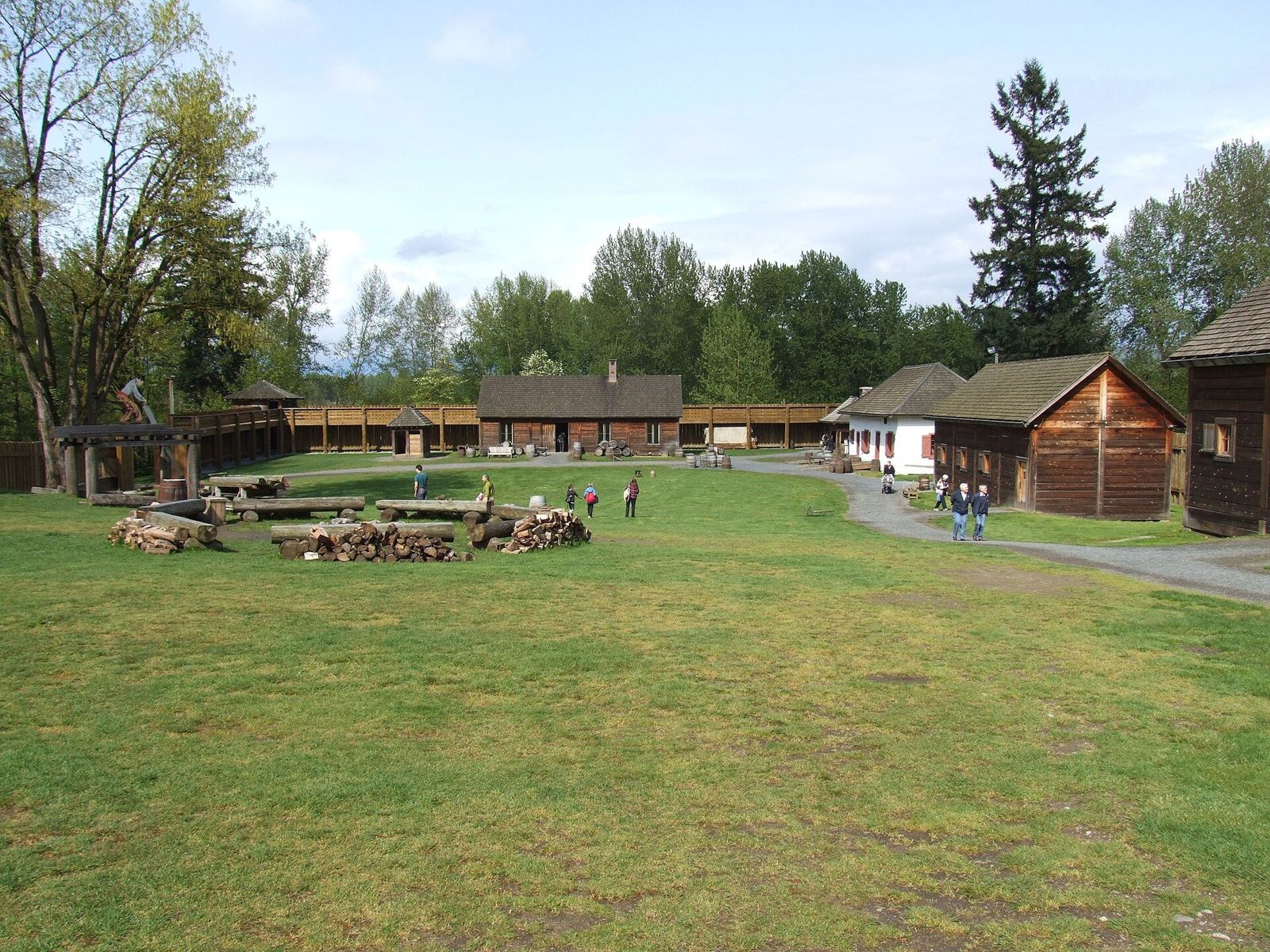
Fort Langley: the birthplace of BC, an easy day trip east
Fort Langley National Historic Site preserves the 1827 Hudson's Bay Company post where BC was proclaimed in 1858. What to see and how to visit.
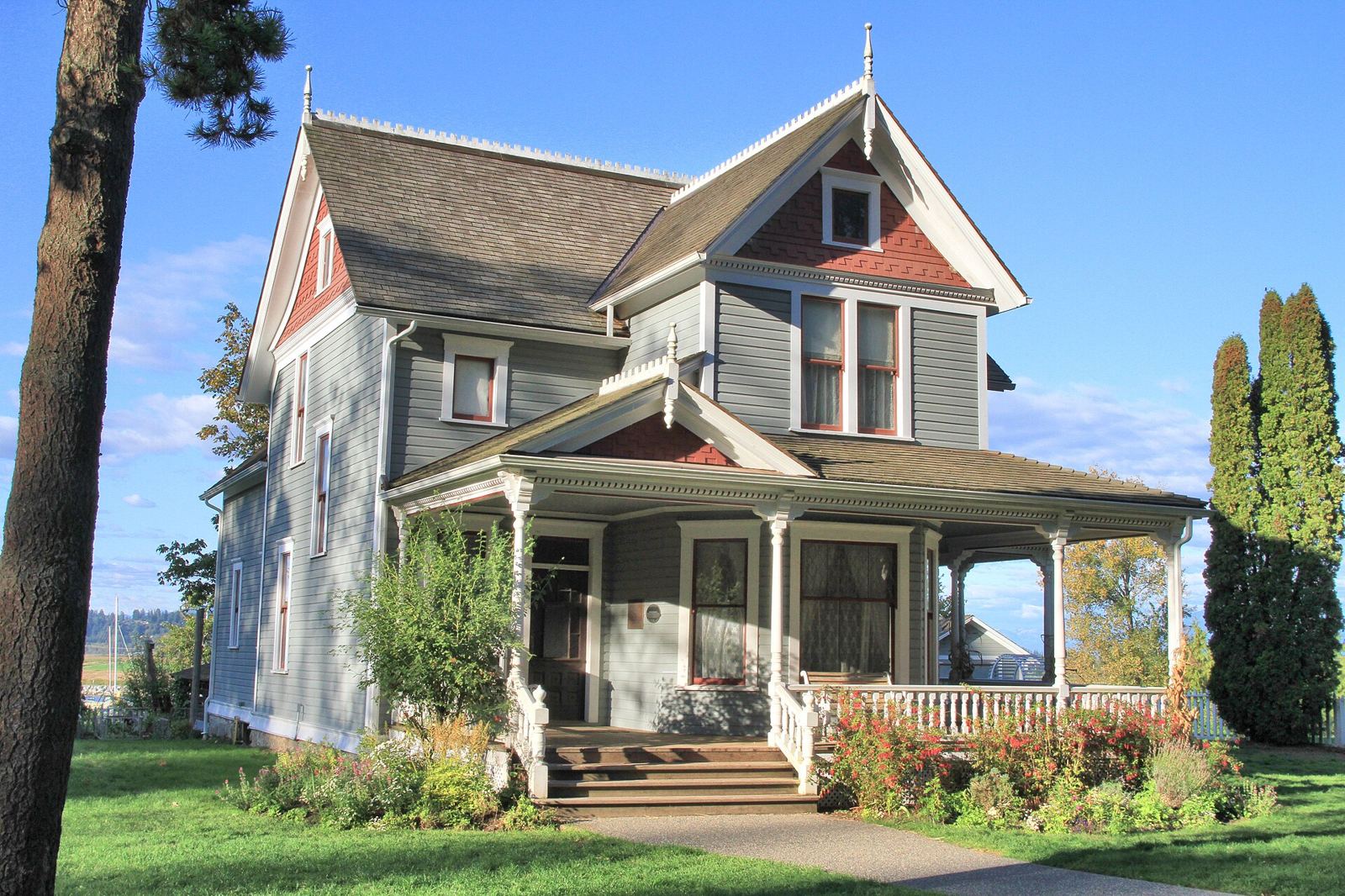
Historic Stewart Farm: Surrey's 1890s farmhouse on the Nicomekl River
Historic Stewart Farm preserves an 1890s farmhouse and 54 acres on the Nicomekl River in South Surrey, once the heart of a 440-acre family farm.
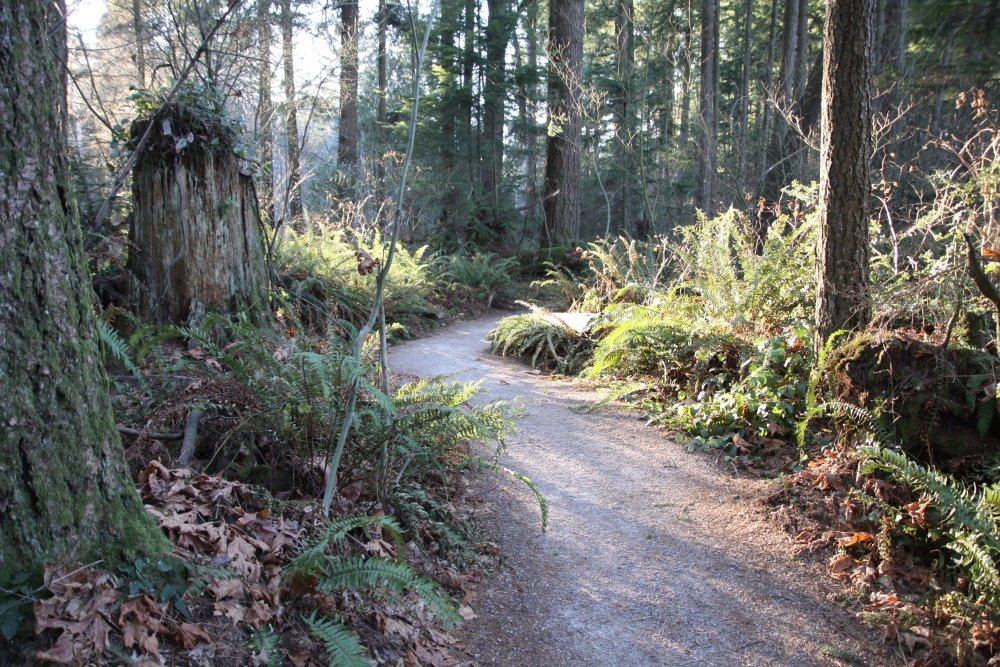
Green Timbers: the Surrey forest that taught BC how to replant
Green Timbers Urban Forest is 560 acres of replanted rainforest in Surrey, the birthplace of BC reforestation, with 10 km of trails and a trout lake.