
Green Timbers: the Surrey forest that taught BC how to replant
Short answer: Green Timbers Urban Forest Park is a 560-acre forest in Surrey with over 10 km of nature trails, a stocked fishing lake, and meadows. Logged bare by 1930, it became British Columbia's first major replanting site and is known as the birthplace of reforestation in the province.
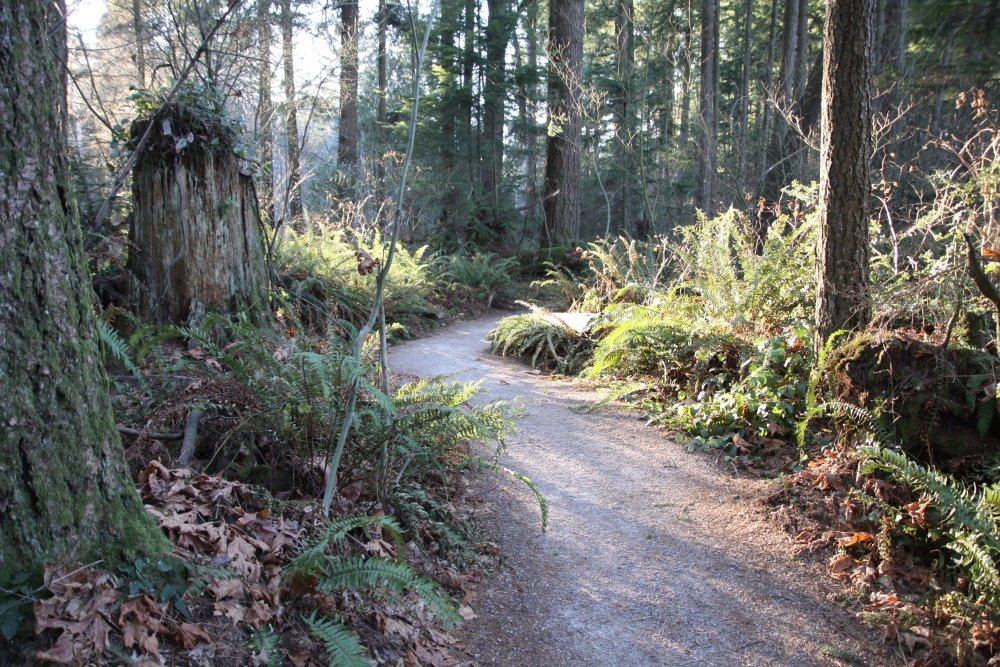
* Cover photo: waferboard, Wikimedia Commons, CC BY 2.0
Green Timbers Urban Forest Park is Surrey's answer to Stanley Park: 560 acres of towering forest in the middle of the city, laced with more than 10 kilometres of nature trails, a fishing lake, and quiet meadows. The twist is that almost none of it is old growth. Green Timbers is a planted forest, and one of the most important ones in Canadian history.
The forest that was
The land was originally a single 5,000-acre forest, famous in the early 1900s for its towering trees and its proximity to the Pacific Highway. It was known as the only old-growth forest near the highway on the West Coast, and tourists came just to see it. Advocates pushed for its conservation as early as 1860.
They lost. The King-Farris Company began cutting in 1923, feeding the logs to its sawmill in Newton, and by 1930 the great forest was gone completely.
The birthplace of reforestation
What happened next changed the province. On March 15, 1930, the BC Forest Service created its inaugural plantation on the cleared land, replanting the stripped acres in one of the first large-scale reforestation efforts in Canada. Non-native species such as red pine went in alongside the conifers. The area later served as a forestry school and nursery, and it earned its enduring nickname: British Columbia's birthplace of reforestation.
That 1930 plantation, now recognized on the Canadian Register of Historic Places, marked a cultural shift in how British Columbia treated its forests. Nearly a century later, the province has planted more than 10 billion trees, a practice that traces its lineage directly back to this Surrey hillside.
From forestry school to city park
The forest's modern shape came together in stages. In 1966, 33 acres were set aside for what became Douglas College, and other parcels were sold for housing. The forest formally became a park in 1974. When a football stadium was proposed for the site in the 1980s, residents formed the Green Timbers Heritage Society in 1987 to fight it, and won. Surrey voters went further, voting to designate parts of the park as protected urban forest in referendums in 1988 and again in 1996.
Today the park shares its edges with major institutions: the RCMP's E Division headquarters arrived in 2005, and the Jim Pattison Outpatient Care and Surgery Centre opened in 2011.
Trails, lake, and wildlife
The heart of the park is its trail network, more than 10 kilometres beneath Douglas fir, grand fir, Sitka spruce, western hemlock, western redcedar, and white pine, many originally planted in neat rows ten feet apart. A clearing and meadow hold a lake stocked with rainbow trout in spring and fall, one of the few urban fishing spots in the region. A massive glacial erratic, carried here by ice age glaciers, sits along the trails as a reminder of the deeper past.
The wildlife list reads like a field guide: bald eagles, great blue herons, barred and western screech owls, red-tailed hawks, pileated and downy woodpeckers, coyotes, Douglas squirrels, and Pacific tree frogs all live inside the city here.
Visiting from the Tri-Cities
Green Timbers sits in the 14600 block of 100 Avenue in Surrey, about 30 to 35 minutes from Coquitlam via Highway 1 or the Port Mann Bridge. The main parking area is off 100 Avenue, and the lake and meadow are an easy stroll from the lot. Trails are mostly flat and shaded, making this one of the region's best hot-day walks.
What to look for on the trails
The park rewards walkers who know its story. Look for the regular spacing of the oldest conifers, a fingerprint of the 1930 plantation. Look for the red pines, the non-native experiment from the same era. Find the glacial erratic, dropped by retreating ice thousands of years before any of this. And in the meadow, watch the lake for the rise of stocked rainbow trout and the patrol of herons waiting for their chance.
The Green Timbers Heritage Society, founded to save the forest from a stadium in 1987, remains active with walks, plantings, and advocacy, and its work is a big part of why the forest looks the way it does.
A forest that keeps growing
Green Timbers is not finished. The second-growth canopy is still maturing, deadwood habitat is being built, and the city's urban forest strategy treats the park as a cornerstone of Surrey's green infrastructure. For visitors from the Tri-Cities, it offers something the mountain parks cannot: a walk through a forest you can watch growing up, in a city growing up around it.
Why it matters beyond Surrey
Green Timbers' significance is provincial, not just local. The 1930 inaugural plantation demonstrated that British Columbia's stripped forests could be brought back, and the idea grew into an industrial-scale replanting culture: billions of seedlings since, across the province. Walking these trails is walking through the proof of concept. That a park in the middle of Surrey's busiest corridors holds that history, plus a trout lake and ten kilometres of shaded trail, makes it one of the most quietly important green spaces in the Lower Mainland.
Practical notes
The main entrance and parking are off 100 Avenue near 146 Street, with the lake and meadow a short walk from the lot. Trails are mostly flat, wide, and shaded, ideal for hot afternoons and wet-weather walks alike. Dogs are welcome on leash, and the forest's dense canopy keeps the trails usable through much of the rainy season.
* Cover photo: waferboard, Wikimedia Commons, CC BY 2.0
FAQ
Can you fish in Green Timbers?
Yes. The lake in the park's meadow is stocked with rainbow trout in spring and fall. It is one of the few urban fishing lakes in Metro Vancouver. A BC freshwater fishing licence is required for anglers 16 and over.
Is Green Timbers an old-growth forest?
No. The original forest was logged off by 1930. Today's forest grew from the BC Forest Service's inaugural 1930 plantation, which is why Green Timbers is called the birthplace of reforestation in British Columbia.
How big is Green Timbers?
The park covers 560 acres, about 230 hectares, with more than 10 kilometres of nature trails, a lake, meadows, and a glacial erratic.
Sources
Follow Tri-Cities Daily
Daily local news, events and guides on Instagram: @tricitiesdaily
Related stories
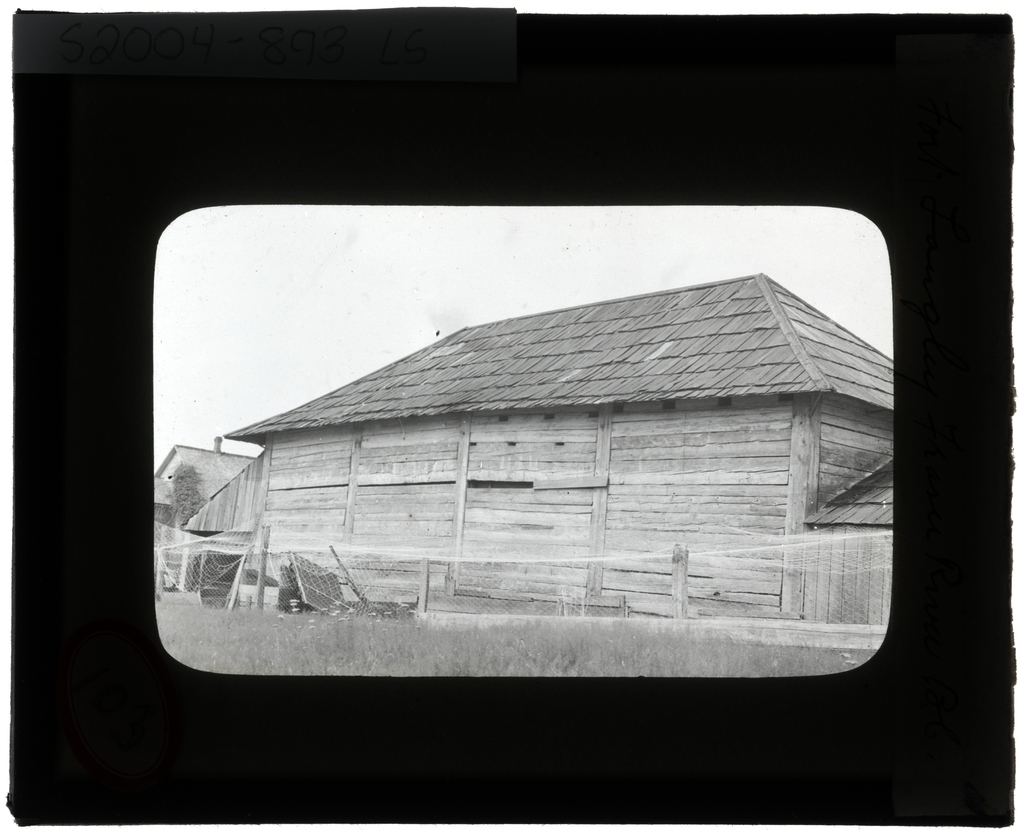
Derby Reach: camping and trails on Langley's Fraser shore
Derby Reach Regional Park pairs Fraser River trails and heritage orchards with the Edgewater Bar campground and the Fort-to-Fort Trail into Fort Langley.
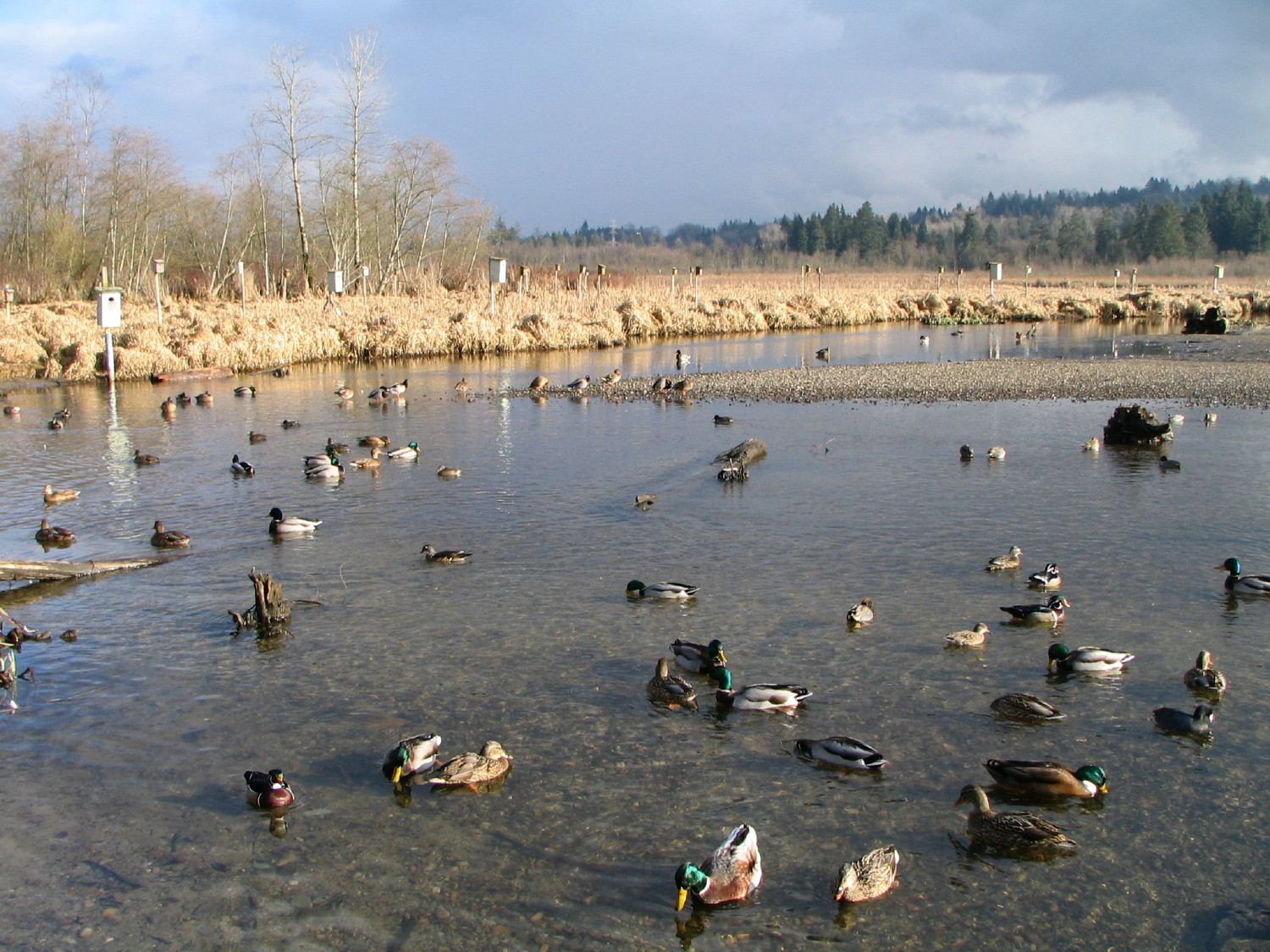
Burnaby Lake: 19 km of trails and 214 bird species
Burnaby Lake Regional Park circles a 12,000-year-old glacial lake with 19 km of trails, 214 visiting bird species, Piper Spit, and a rowing and paddling scene.
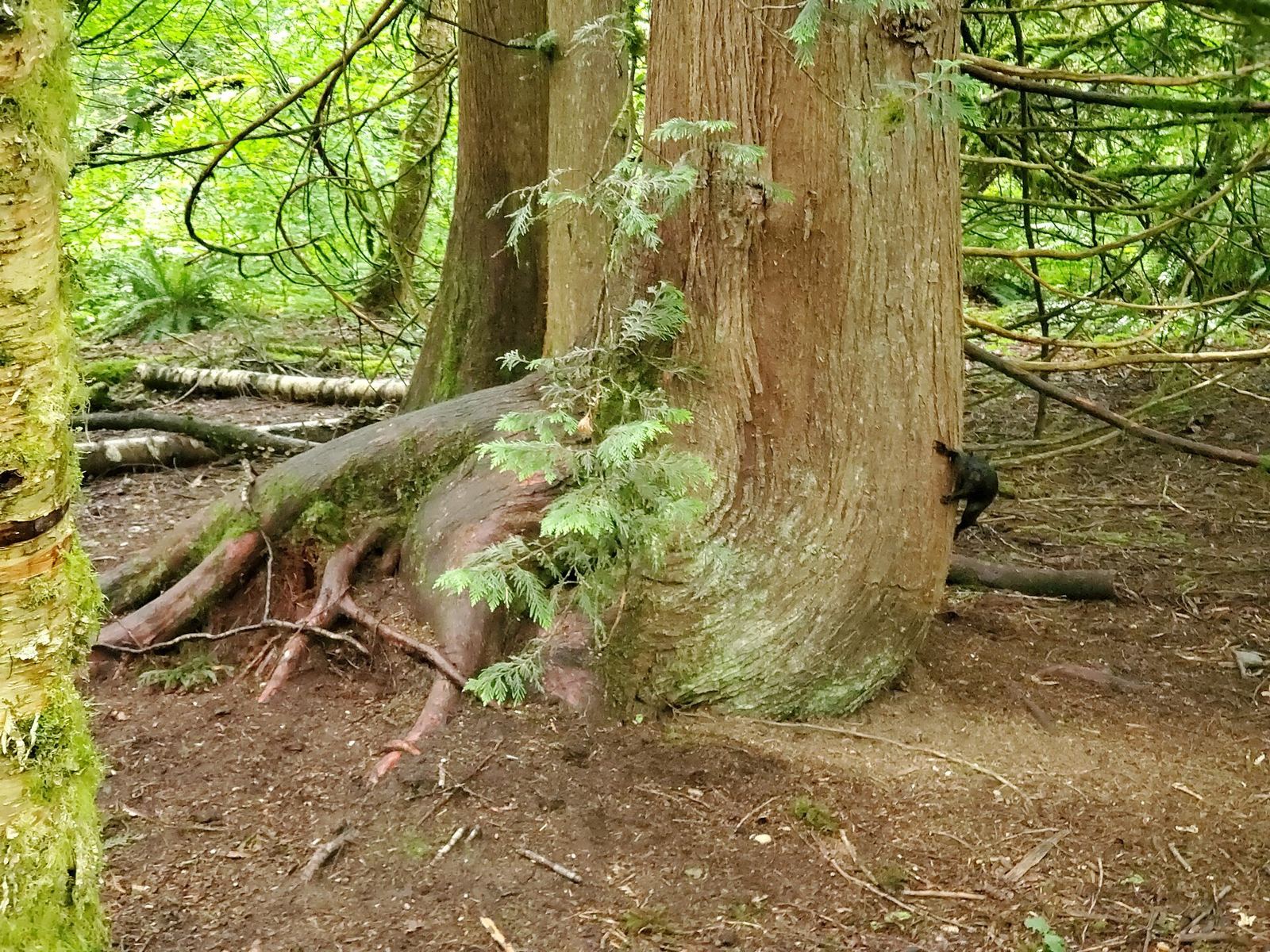
Campbell Valley Regional Park: Langley's 29 km of trails and history
Campbell Valley Regional Park packs 29 km of trails, a historic farmstead, a schoolhouse, and even an old NASCAR oval into south Langley's largest park.