
Historic Stewart Farm: Surrey's 1890s farmhouse on the Nicomekl River
Short answer: Historic Stewart Farm is a heritage site at 13723 Crescent Road in South Surrey, preserving a restored Victorian farmhouse and grounds on the Nicomekl River. The Stewart family farmed 440 acres here from the 1890s; the City of Surrey bought 54 acres in 1984 and runs it as a museum.
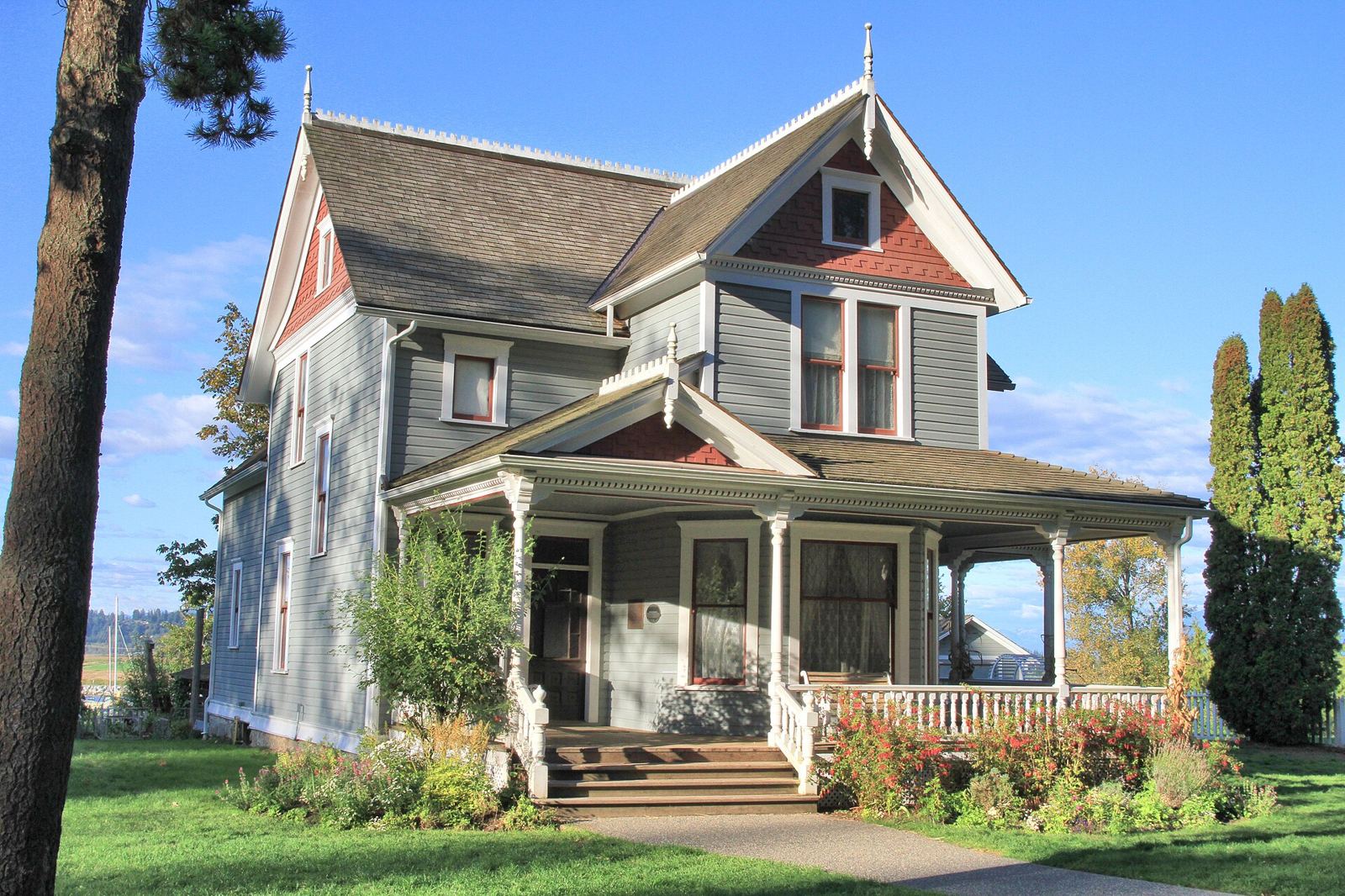
* Cover photo: Jollycanuck, Wikimedia Commons, CC BY-SA 4.0
On a bend of the Nicomekl River in South Surrey, a yellow Victorian farmhouse stands much as it did more than a century ago. Historic Stewart Farm is one of the most complete heritage farm sites in the Lower Mainland, a place where visitors can walk through local farm life as the Stewart family lived it over a hundred years ago.
The Stewarts and their river farm
John and Annie Stewart built their life along the Nicomekl River as part of the growing farming community in the Elgin area of what is now South Surrey. With just two sons, a small family for the time, they relied on neighbours and nearby work crews to help harvest their fields, a reminder that farming here was always a community effort.
At its height, the Stewart property spanned 440 acres, including both the land visitors see today and additional farmland across the river, where two more barns once stood. Period photographs in the Surrey Archives show the farmhouse in its early decades, the family's pole barn as it stood in 1935, and the river flats that made this productive country.
From family farm to heritage site
As Surrey suburbanized through the twentieth century, the riverfront farm became a rarity. The municipality of Surrey purchased 54 acres of the site in 1984, preserving the farmhouse, the pole barn, and the grounds. The site now holds both city and provincial heritage designations and is operated by the Heritage Services Division of Surrey's Parks, Recreation and Culture Department.
Restoration returned the farmhouse to its early twentieth-century appearance, furnished to the period, and the site interprets the everyday work of a river farm: the kitchen garden, the orchard, the barn, and the rhythms of a household that fed itself from its own land.
Visiting today
Historic Stewart Farm is at 13723 Crescent Road, a scenic drive through South Surrey's remaining agricultural country. The site offers guided and self-guided experiences, seasonal programming, and heritage events through the year, from spring planting traditions to Christmas at the farm. Admission is free, making it one of the region's best-value heritage outings.
The grounds themselves reward a slow visit: heritage gardens, big shade trees, views over the Nicomekl toward the river flats, and the beautifully preserved farmhouse itself. The park is wheelchair accessible with paved pathways and an accessible parking stall, and there is a baby change table in the park washroom.
A window on the Semiahmoo peninsula
The farm also anchors the story of the Semiahmoo peninsula's rural past, a landscape of dairy farms, potato fields, and river landings that predates the suburban south slope. Pairing Stewart Farm with a drive along Crescent Road toward Crescent Beach makes a full heritage afternoon, and both stops fit easily into a day trip from the Tri-Cities.
The Nicomekl setting
The farm's setting is half the experience. The Nicomekl River winds past the property on its way to Mud Bay, and in the Stewarts' era the river was a working highway: farms shipped milk and produce by boat, and landings dotted the banks. The flat fields and big skies around the farmhouse still read as farming country, even as the city has grown to the north. Standing in the farmyard, it is easy to understand why the family chose this bend of the river, and why the city chose to keep it.
Programs through the year
Heritage Services runs the farm as a living site rather than a static museum. School programs bring classes through the farmhouse and barn for hands-on history; seasonal events mark the farming calendar; and the grounds host everything from heritage plant sales to outdoor theatre in summer. The Stewart family timeline, told through photographs and artifacts in the site's exhibits, traces the farm from its nineteenth-century beginnings to its preservation, including the 1935 pole barn and the barns that once stood across the river.
Getting there from the Tri-Cities
Historic Stewart Farm is about 40 minutes from Coquitlam in normal traffic: take Highway 1 or the Port Mann Bridge to 152 Street, then south through South Surrey to Crescent Road. The drive itself is part of the appeal, passing through some of the last big agricultural landscapes on the Semiahmoo peninsula. Parking is free on site, and the farm pairs naturally with Crescent Beach, just minutes away, for a full South Surrey day trip.
What makes it special
The Lower Mainland has many heritage houses, but few complete farm properties where the house, barn, gardens, orchard, and river setting survive together. Stewart Farm's collection of outbuildings and its working landscape give visitors the full picture of a family farm rather than a single preserved parlour. For children raised on city parks, the scale of a real farmyard, and the sight of tools, wagons, and kitchen equipment their great-grandparents would recognize, tends to be the detail that sticks.
* Cover photo: Jollycanuck, Wikimedia Commons, CC BY-SA 4.0
FAQ
Where is Historic Stewart Farm?
At 13723 Crescent Road in the Elgin area of South Surrey, on the Nicomekl River. It is about 40 minutes from the Tri-Cities via Highway 1 or the Port Mann Bridge.
How much does it cost to visit?
Admission is free. The site offers guided and self-guided visits plus seasonal events and heritage programming through the year.
What can you see at the farm?
The restored 1890s farmhouse furnished to period, the 1935-era pole barn, heritage gardens, an orchard, and river views, with exhibits on the Stewart family and the farming community of the Nicomekl valley.
Sources
Follow Tri-Cities Daily
Daily local news, events and guides on Instagram: @tricitiesdaily
Related stories
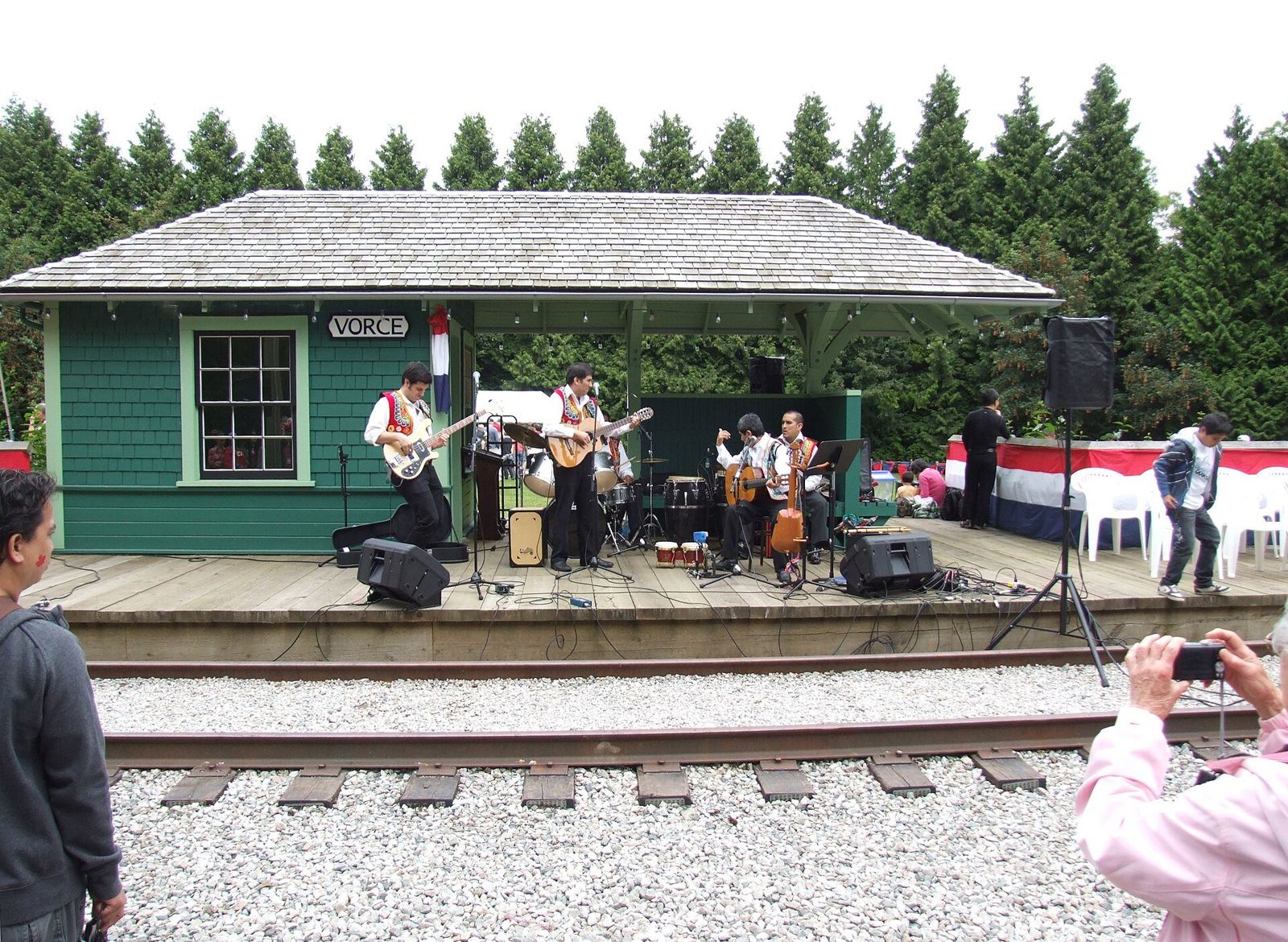
Burnaby Village Museum: the free 1920s village at Deer Lake Park
Burnaby Village Museum recreates a 1920s village with 31 buildings, a 1912 carousel, and a restored interurban tram. Admission is free, at Deer Lake Park.
Maillardville and Festival du Bois: Coquitlam's French heart
Maillardville was founded in 1909 by French Canadian mill workers recruited to Fraser Mills. Their legacy lives on in Festival du Bois each March.

Terry Fox's Port Coquitlam: the hometown behind the Marathon of Hope
Terry Fox grew up in Port Coquitlam, starred at the high school now named for him, and planned the Marathon of Hope here. The story of PoCo's famous son.