
Terry Fox's Port Coquitlam: the hometown behind the Marathon of Hope
Short answer: Terry Fox grew up in Port Coquitlam from 1968, attended the high school later renamed Terry Fox Secondary, and launched the Marathon of Hope in 1980. The annual Terry Fox Run has raised over C$1 billion for cancer research in his name.
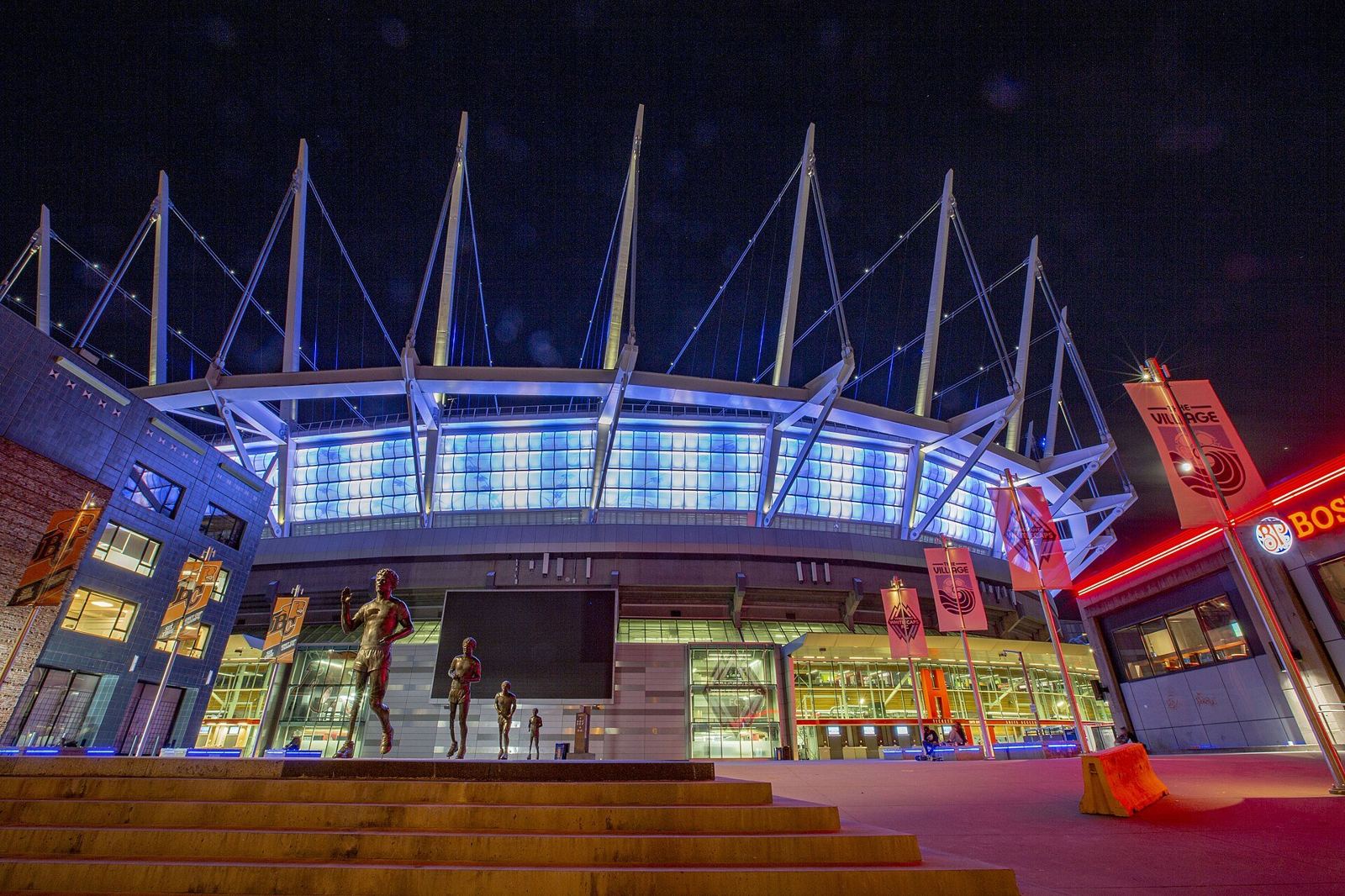
* Cover photo: GoToVan, Wikimedia Commons, CC BY 2.0
Every September, millions of people in more than 60 countries run for Terry Fox. Port Coquitlam runs for a neighbour. The city was Terry Fox's hometown, the place that shaped the stubborn, competitive kid who would attempt to run across Canada on one leg, and it remains the heartland of his memory.
The PoCo kid
Terrance Stanley Fox was born in Winnipeg on July 28, 1958, and his family moved west, first to Surrey in 1966, then settling in Port Coquitlam in 1968. He was the second of four children, raised by Rolland, a Canadian National Railway switchman, and Betty, who would later become the tireless guardian of his legacy.
At Port Coquitlam Senior Secondary School, Fox was not a natural star. He tried out for the basketball team and struggled because of his height; his coach suggested cross-country running, and Fox took it up partly to impress that coach. The competitiveness was real, though. By grade 12 he had won the school's athlete of the year award. The school was later renamed Terry Fox Secondary School in his honour.
The diagnosis
On November 12, 1976, driving home to Port Coquitlam, Fox was distracted by nearby bridge construction and crashed into the back of a pickup truck, injuring his right knee. He felt pain that December but waited until the end of basketball season to deal with it. By March 1977 the pain had intensified, and doctors diagnosed osteosarcoma, a cancer that often starts near the knees.
His right leg was amputated. He was told he had a 50 per cent chance of survival, and that just two years earlier the figure would have been 15 per cent. That improvement, bought by research, stuck with him. He was walking on an artificial leg three weeks after surgery, then won three national wheelchair basketball titles on Rick Hansen's Vancouver team while enduring sixteen months of chemotherapy.
The plan hatched here
The night before his surgery, Fox had read about Dick Traum, the first amputee to complete the New York City Marathon. He began a 14-month training program, telling his family only that he meant to run a marathon. In private he planned something far bigger: a run across Canada to raise money for cancer research, at first hoping for $1 million, then $10 million, and finally $1 for each of Canada's 24 million people.
On October 15, 1979, he wrote to the Canadian Cancer Society announcing his goal. "I believe in miracles," the letter closed. "I have to." On April 12, 1980, he dipped his artificial leg in the Atlantic at St. John's and started west, running a marathon a day. By Ontario he was a national star. On September 1, outside Thunder Bay, the cancer that had spread to his lungs forced him to stop. He died on June 28, 1981, at 22, the youngest person ever named a Companion of the Order of Canada.
The training ground
Fox's Marathon of Hope was rehearsed on Tri-Cities pavement. His training route wound through the streets of Port Coquitlam, and his distinctive hop-step gait, forced on him by the springs in his artificial leg, became a familiar sight to neighbours who did not yet know what he was preparing for. The training was brutal: the pressure on his good leg and his stump produced bone bruises and blisters, and Fox found that only after about 20 minutes of each run did he cross a pain threshold into rhythm.
His first public test came on September 2, 1979, in a 17-mile road race in Prince George. He finished last, ten minutes behind the next runner, and the other participants met his effort with tears and applause. It was after that race that he revealed the full plan to his family.
Refusing to sell the run
Corporate Canada came calling as the plan took shape, and Fox's terms were absolute. Ford donated a camper van, Imperial Oil gave fuel, Adidas provided shoes, but he turned away any company that wanted his endorsement and refused every donation with conditions. Nobody, he insisted, was going to profit from the run. That stubborn purity, very much the PoCo kid who would not quit a race he was losing, is part of why the country trusted him completely.
The legacy that outran him
The first Terry Fox Run was held in 1981. It has grown into the world's largest one-day fundraiser for cancer research, and as of 2026 more than C$1 billion has been raised in his name through the Terry Fox Research Institute. Port Coquitlam's own run each September is part pilgrimage: the hometown event in the city that raised him.
His name is everywhere in Canada, on schools, roads, parks and statues. But it sits differently here. The high school on the hill is his school. The streets he trained on are these streets. When PoCo runs in September, it is running for its own.
FAQ
Where did Terry Fox grow up?
Fox was born in Winnipeg in 1958. His family moved to Surrey in 1966 and settled in Port Coquitlam in 1968, where he attended the high school later renamed Terry Fox Secondary School.
What was the Marathon of Hope?
Fox's 1980 attempt to run across Canada on an artificial leg to raise money for cancer research. He ran a marathon a day from April 12 until September 1, when cancer in his lungs stopped him outside Thunder Bay.
How much has the Terry Fox Run raised?
More than C$1 billion for cancer research through the Terry Fox Research Institute as of 2026, raised by millions of participants in over 60 countries.
Sources
Follow Tri-Cities Daily
Daily local news, events and guides on Instagram: @tricitiesdaily
Related stories
Maillardville and Festival du Bois: Coquitlam's French heart
Maillardville was founded in 1909 by French Canadian mill workers recruited to Fraser Mills. Their legacy lives on in Festival du Bois each March.
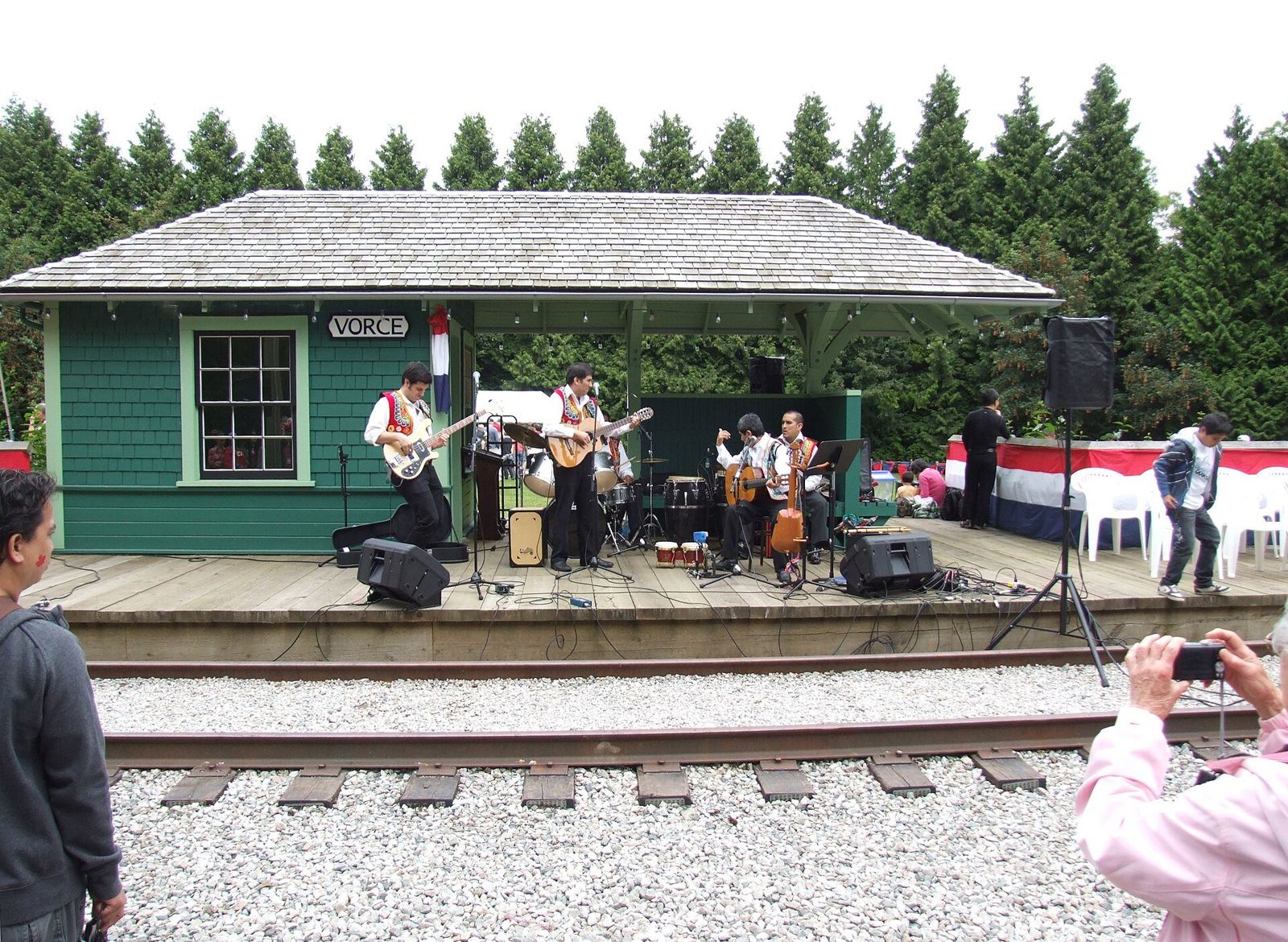
Burnaby Village Museum: the free 1920s village at Deer Lake Park
Burnaby Village Museum recreates a 1920s village with 31 buildings, a 1912 carousel, and a restored interurban tram. Admission is free, at Deer Lake Park.
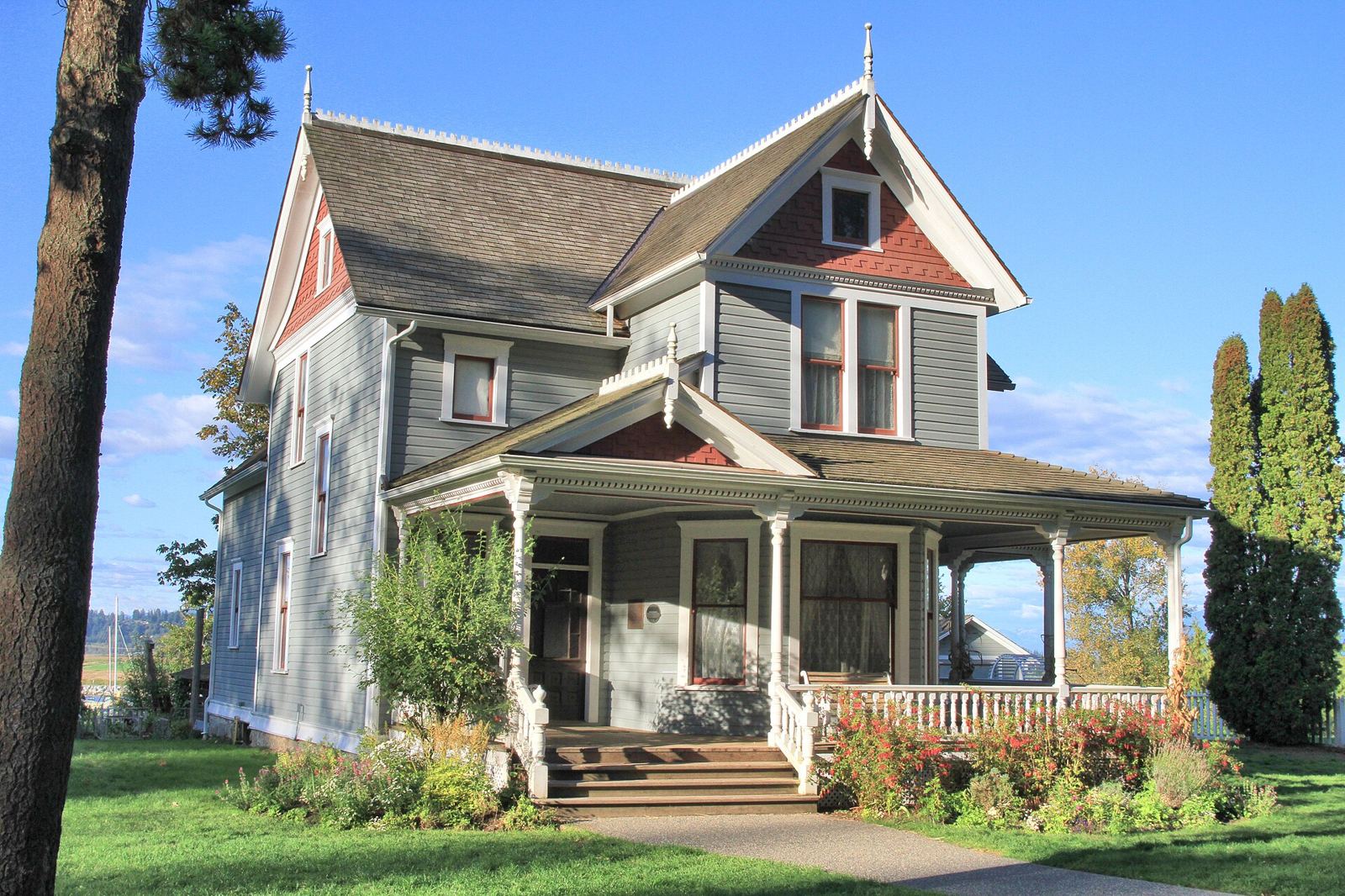
Historic Stewart Farm: Surrey's 1890s farmhouse on the Nicomekl River
Historic Stewart Farm preserves an 1890s farmhouse and 54 acres on the Nicomekl River in South Surrey, once the heart of a 440-acre family farm.