
Burnaby Village Museum: the free 1920s village at Deer Lake Park
Short answer: Burnaby Village Museum is a free open-air museum at Deer Lake Park in Burnaby, recreating a 1920s village across 10 acres with 31 full-scale buildings, a working 1912 C.W. Parker carousel, and a restored 1912 BC Electric Railway interurban tram.
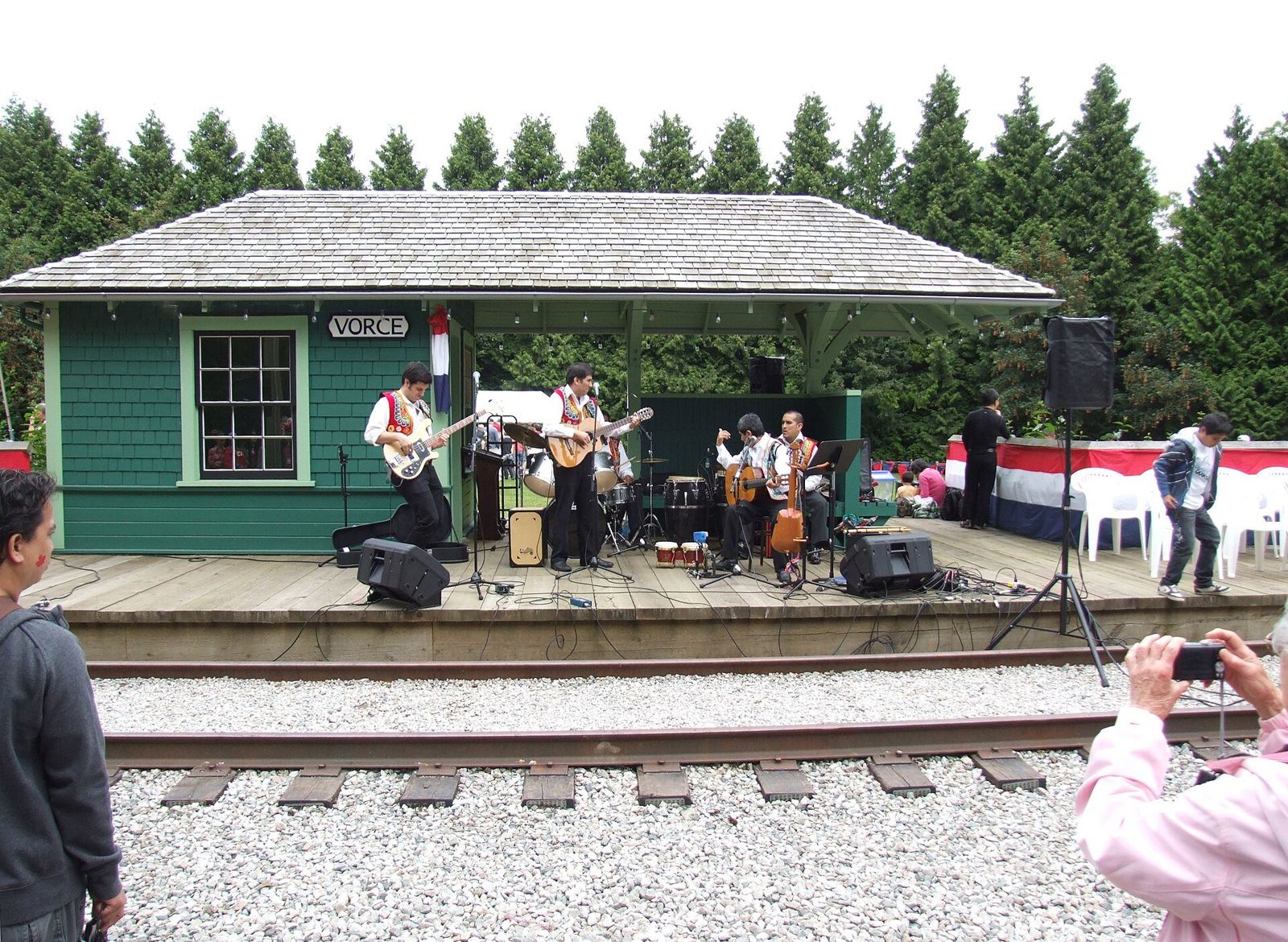
* Cover photo: Xiao23, Wikimedia Commons, CC BY-SA 3.0
One of the best family outings near the Tri-Cities is also one of the cheapest: Burnaby Village Museum, a 10-acre recreation of a 1920s village tucked into Deer Lake Park, charges no admission at all. With 31 full-scale buildings, costumed interpreters, and a century-old carousel you can actually ride, it is the rare museum that works for a three-year-old and a history buff at the same time.
A centennial project that kept growing
The museum began in 1971 as a commemorative project marking the 100th anniversary of British Columbia joining Confederation. The original layout was modest: a single street and the manor house Elworth on 4.3 acres, imagining how a small BC pioneer village might have looked around the turn of the twentieth century.
It never stopped growing. Through the 1980s, the municipality and the Century Park Museum Association acquired more land, doubling the museum's size and bridging Deer Lake Brook to open a rural zone. When the City of Burnaby took over administration in 1990, staff and volunteers sharpened the focus on Burnaby's own story, with the 1920s as the chosen era.
The village
Some buildings are originals, moved from elsewhere in the community and restored; others are careful replicas built to house specific displays. Together they form a working streetscape. Highlights include:
- Tom Irvine's House, a modest 1911 home from Central Burnaby that shows how ordinary families lived.
- The War Memorial Fountain, erected in 1923 by the Burnaby Civic Employees Union in front of Municipal Hall.
- Vorce Tram Station, an original 1911 station from the Burnaby Lake interurban line, restored to its original appearance in 2008.
- The Interurban 1223 Tram Barn, home to a restored 1912 tram that tells how interurban rail connected Burnaby to the region and powered its growth.
- Elworth, the 1922 home of the upper-middle-class Bateman family.
- Bell's Dry Goods, recreating the store that served Burnaby from 1922 to 1937.
- A replica church, a blacksmith shop, a print shop, a school, and period businesses throughout, with staff interpreters giving demonstrations in the homes, shops, and trades.
The carousel
The museum's crown jewel is its 1912 C.W. Parker Carousel, restored to full working order. Each horse is hand-carved and hand-painted, a genuine work of folk art, and visitors can ride for a small fee. It is one of the finest surviving Parker carousels in North America and reason enough for the trip on its own.
Seasons and events
The museum is open seasonally, with its main season running from May to September, and it reopens for a run of special events from September through March. Its holiday celebrations, including the famous Heritage Christmas, are among the largest seasonal events in the Lower Mainland and draw visitors from across the region.
Visiting from the Tri-Cities
Burnaby Village Museum is at 6501 Deer Lake Avenue, about 20 minutes from Coquitlam. Pair it with a walk around Deer Lake itself, the boardwalks of the Deer Lake Park trail, or a visit to the nearby Shadbolt Centre for the Arts and Burnaby Art Gallery for a full cultural day. Parking and transit access are both straightforward, and the free admission makes it an easy yes for families.
A century on the rails
The museum's tram barn deserves special attention from Tri-Cities visitors, because the story it tells is this region's story too. The 1912 interurban tram, car 1223, ran on the BC Electric Railway network that once linked Burnaby, New Westminster, and Vancouver with fast electric trains decades before SkyTrain. The restored Vorce Station, moved from the Burnaby Lake line, shows exactly where commuters waited in 1911. Standing in the tram barn is a reminder that rapid transit in the Lower Mainland is not new; it is returning.
Heritage Christmas and the event season
While the summer season is the museum's daily life, its event calendar is what fills Deer Lake Park with crowds. Heritage Christmas, running from late November into the new year, dresses the whole village in period decorations and vintage lights and has become a Lower Mainland tradition, with theatre, carols, crafts, and the carousel turning through the dark. Spring break programming, harvest events, and seasonal celebrations round out a calendar that keeps the village busy from September to March even when the regular season is closed.
Pair it with Deer Lake
The museum sits inside Deer Lake Park, one of Burnaby's signature green spaces, and the two belong in the same trip. Walk the lakeside trails and boardwalks before or after the village, look for herons and turtles from the viewing platforms, and, in summer, check the lawn concert schedule at the Shadbolt Centre next door. Few corners of the region pack this much free culture and nature into one stop.
* Cover photo: Xiao23, Wikimedia Commons, CC BY-SA 3.0
FAQ
Is Burnaby Village Museum really free?
Yes, general admission is free. There is a small fee to ride the 1912 carousel, and some special events may have their own pricing.
When is Burnaby Village Museum open?
The main season runs May to September, with special event openings from September through March, including the popular Heritage Christmas. Check the museum's current hours before visiting, as days vary by season.
What is the best age for kids at the museum?
The village works for all ages, but it is especially good for children roughly 3 to 12: the carousel, the tram, the farm and trade demonstrations, and the open space keep younger kids engaged while adults absorb the history.
Sources
Follow Tri-Cities Daily
Daily local news, events and guides on Instagram: @tricitiesdaily
Related stories
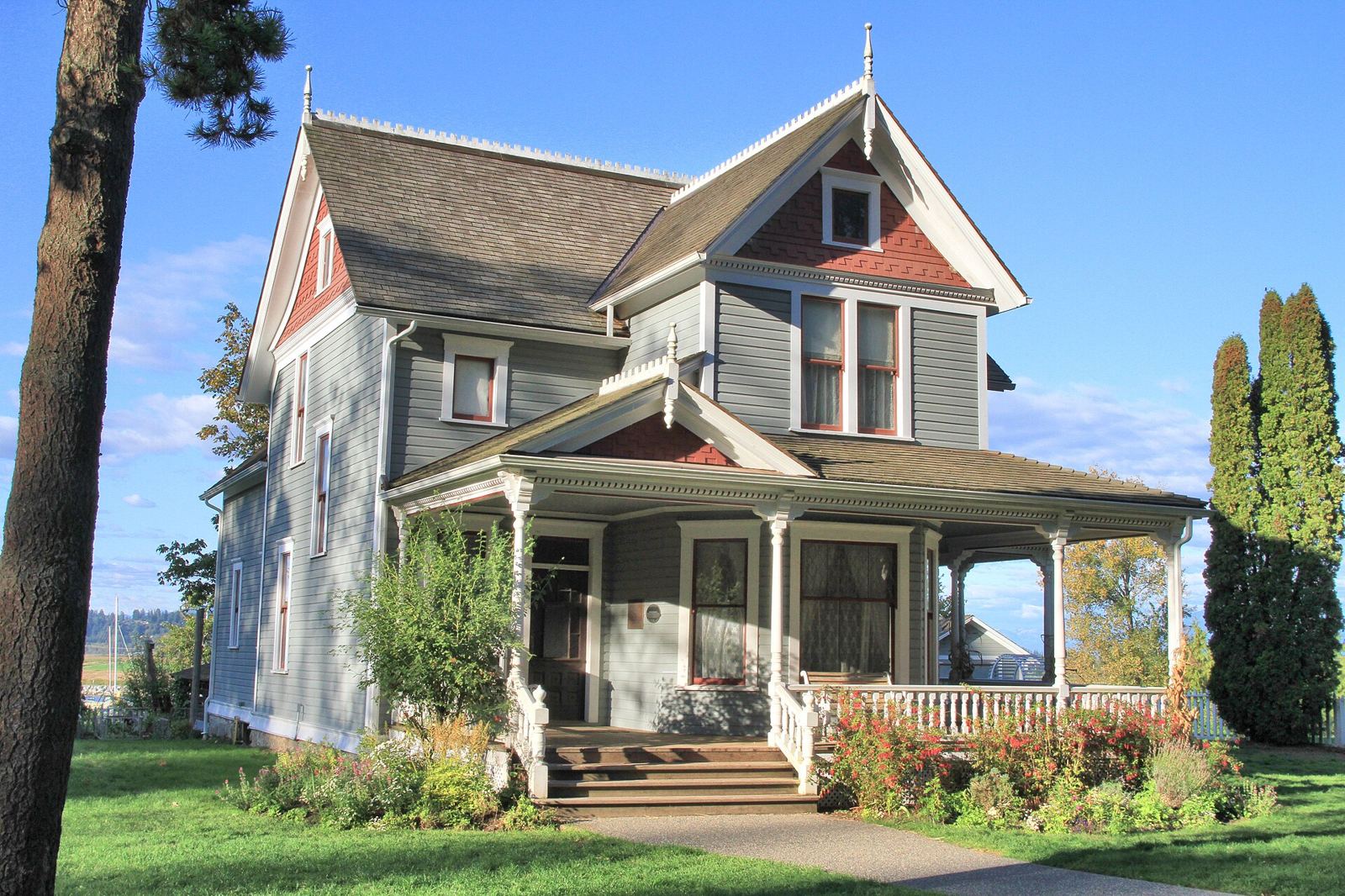
Historic Stewart Farm: Surrey's 1890s farmhouse on the Nicomekl River
Historic Stewart Farm preserves an 1890s farmhouse and 54 acres on the Nicomekl River in South Surrey, once the heart of a 440-acre family farm.
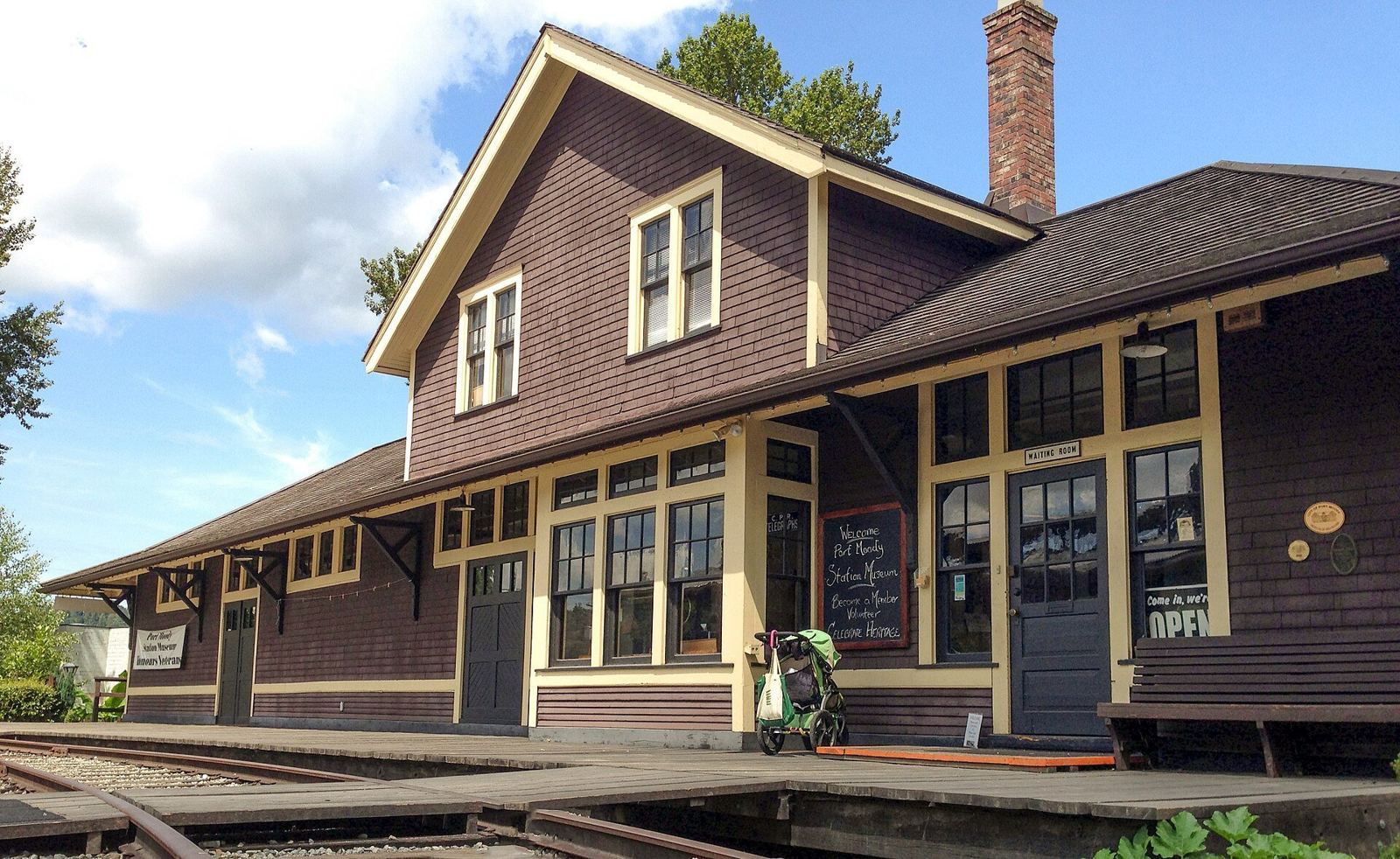
POMO Museum: Port Moody's railway station that became a time capsule
The POMO Museum occupies Port Moody's second CPR train station, moved by truck in 1978. Inside: a 1921 sleeper car and a barrel of postcards.
Maillardville and Festival du Bois: Coquitlam's French heart
Maillardville was founded in 1909 by French Canadian mill workers recruited to Fraser Mills. Their legacy lives on in Festival du Bois each March.