
POMO Museum: Port Moody's railway station that became a time capsule
Short answer: The POMO Museum, formerly the Port Moody Station Museum, is a heritage museum in Port Moody's historic second CPR station, moved beside Rocky Point Park in 1978. Run by the Port Moody Heritage Society since 1969, it tells the city's story from Indigenous presence to the 1940s.
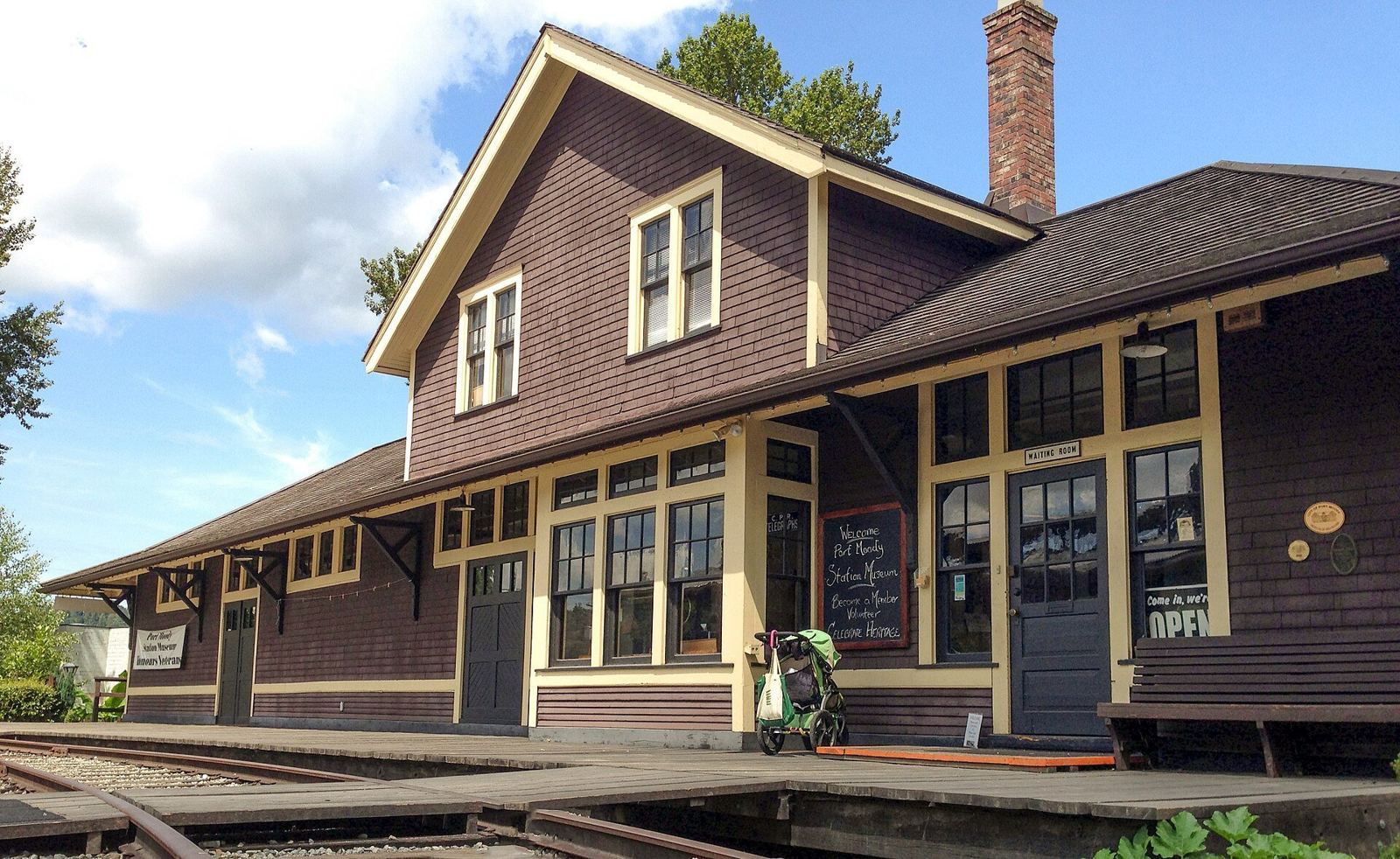
* Cover photo: Arjen van der Meulen, Wikimedia Commons, CC BY-SA 4.0
Port Moody exists because of a railway, so it is fitting that the city's museum lives in a train station. The POMO Museum, renamed from the Port Moody Station Museum in June 2023, occupies the city's second Canadian Pacific Railway station, a building that was loaded onto a truck and moved to its current home beside Rocky Point Park in 1978. It is one of the Tri-Cities' most charming small museums, and it tells the city's story from Indigenous presence through to the 1940s.
A station with a second life
When CPR discontinued passenger service on September 25, 1976, the old station at the foot of Queen Street faced an uncertain future. The Port Moody Historical Society, which had founded the museum in 1969 in a since-demolished building on Kyle Street, saw the opportunity. In 1978 the society moved the station building by truck from Queen Street to the cloverleaf beside Rocky Point Park, and the museum officially opened in its new home on July 1, 1983.
The society itself became the Port Moody Heritage Society in 1979, and it still owns and operates the museum today, overseen by a volunteer board of directors and run day to day by a small staff.
What is inside
Because the CPR established the town, many of the museum's displays revolve around the railroad: handcars, a boom car, a velocipede, and the station building itself. That rail focus leads some visitors to mistake it for a purely railway museum, but the collection reaches wider, covering Port Moody's story from the Indigenous presence in the inlet to the mid-twentieth century.
The star exhibit sits outside the station door. The Venosta is a first-class CPR sleeper car built in 1921 to a design by W. Winterrowd, the railway's Chief Mechanical Engineer, part of CPR's push to modernize its trains. The car began life as the Glen Otter, was renamed Venosta in May 1942, and ended its service in November 1964, refurbished as Instructional Car No. 49 for use in Calgary, Lethbridge, Medicine Hat, Red Deer and South Edmonton. The museum acquired it in 1986, and volunteers from the Heritage Society and the Westcoast Railway Association began restoring it the following fall.
The garden and the barrel
Two of the museum's most loved features have nothing to do with locomotives. The CPR railway garden, established in 2000 by curator Jim Millar, recreates the gardens Canadian Pacific kept at its stations in the 1910 to 1912 period, planted with heritage and heirloom vegetables and flowers. The museum participates in Canada's Seeds of Diversity network, keeping old varieties growing.
Then there is the postcard barrel. In the summer of 2005, the museum set up what it bills as the world's third postcard barrel, after Floreana Island in the Galapagos and a barrel in Crete. The idea revives a whaling-era tradition: leave a postcard, take a postcard, and hand-deliver a stranger's mail. The barrel sits in the station's former telegraph room, and the museum stamps deposits with an official barrel stamp.
Fifty years of voices
Since 1975, the museum has run an oral history project, interviewing hundreds of Port Moody residents, former residents and people who know the city. The early recordings moved from tape to compact disc in 2004, and volunteers continue the work of transcribing them. It is the kind of quiet, long-term project that makes a community museum irreplaceable: the memories of the city, kept by the city.
The town the railway built
To understand why a railway museum makes sense here, you have to know what Port Moody was: the original western terminus of the Canadian Pacific Railway. Before the line pushed on to Vancouver, this inlet shoreline was the end of the transcontinental, the place where Canada by rail met the Pacific. The museum's rail collection is not an arbitrary theme; it is the founding document of the city, and the station building is its cover page.
The 2023 name change to POMO Museum signalled the collection's wider ambitions. The displays reach beyond the rails into the city's twentieth-century life, and the society's events calendar keeps the building in use as a community gathering place, not just a display case.
A museum that runs on volunteers
Like most small heritage museums, this one exists because people keep showing up. A volunteer board oversees the operation, volunteers restored the Venosta, volunteers transcribe the oral histories, and volunteers planted and tend the railway garden each season. The professional staff is small; the community around the building is the real collection's caretaker. Visiting, joining or donating is how a place like this keeps its doors open.
Visiting
The museum is at the cloverleaf beside Rocky Point Park, a short walk from Moody Centre station on the SkyTrain and West Coast Express, with free parking on site. Pair it with the park: the museum first, then the shoreline walk, is a near-perfect Port Moody afternoon. Hours and admission details are on the museum's website, pomo.museum.
FAQ
What is the POMO Museum?
The museum of the Port Moody Heritage Society, housed in the city's historic second CPR train station beside Rocky Point Park. It was known as the Port Moody Station Museum until June 2023.
What is the Venosta?
A first-class CPR sleeper car built in 1921, acquired by the museum in 1986 and restored by volunteers. It is one of the museum's signature exhibits.
How do I get there?
The museum is beside Rocky Point Park in Port Moody, with free parking on site and Moody Centre station a short walk away.
Sources
Follow Tri-Cities Daily
Daily local news, events and guides on Instagram: @tricitiesdaily
Related stories
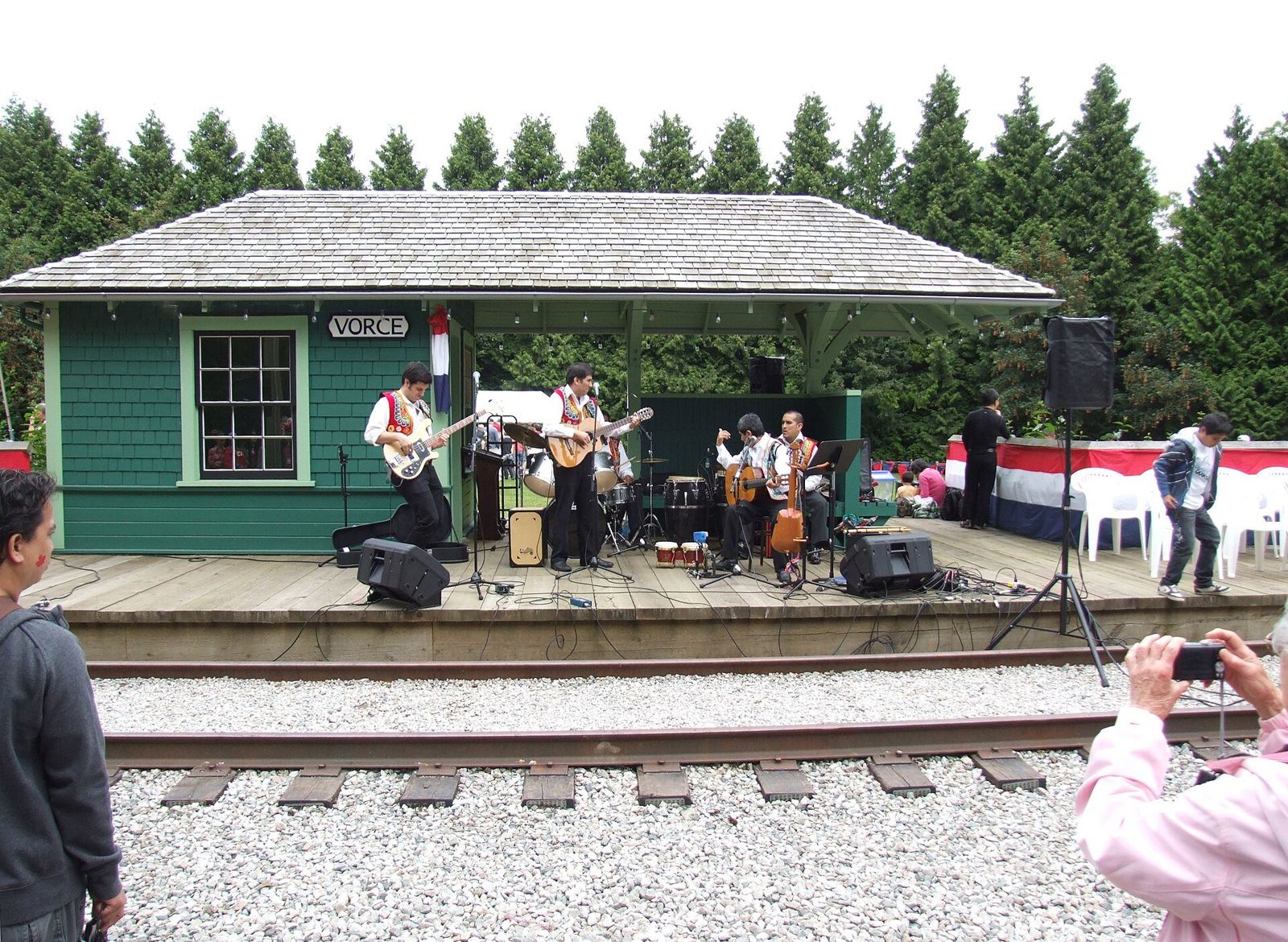
Burnaby Village Museum: the free 1920s village at Deer Lake Park
Burnaby Village Museum recreates a 1920s village with 31 buildings, a 1912 carousel, and a restored interurban tram. Admission is free, at Deer Lake Park.
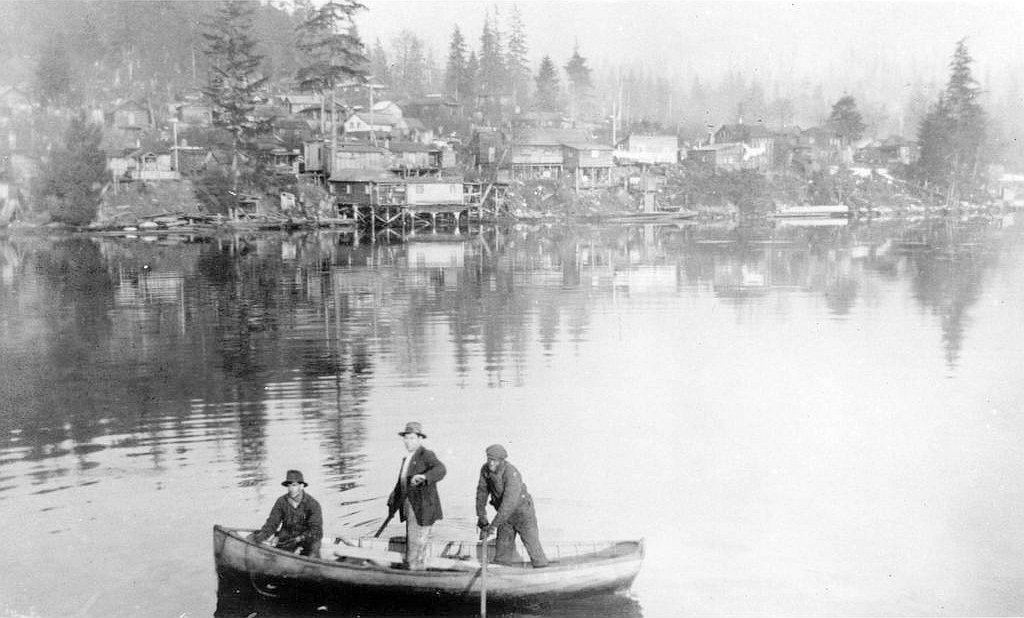
Ioco: the company town Imperial Oil built on Port Moody's shore
Ioco began in 1914 as housing for Imperial Oil's new refinery and grew into a planned townsite. It is now a protected heritage area in Port Moody.
Maillardville and Festival du Bois: Coquitlam's French heart
Maillardville was founded in 1909 by French Canadian mill workers recruited to Fraser Mills. Their legacy lives on in Festival du Bois each March.