
Riverview Hospital: the story of Coquitlam's Essondale grounds
Short answer: Riverview Hospital was a psychiatric hospital in north Coquitlam, opened in 1913 as Essondale and closed in July 2012. At its peak it housed 4,725 patients. The site now hosts the Red Fish Healing Centre, a heritage arboretum, and major film productions.
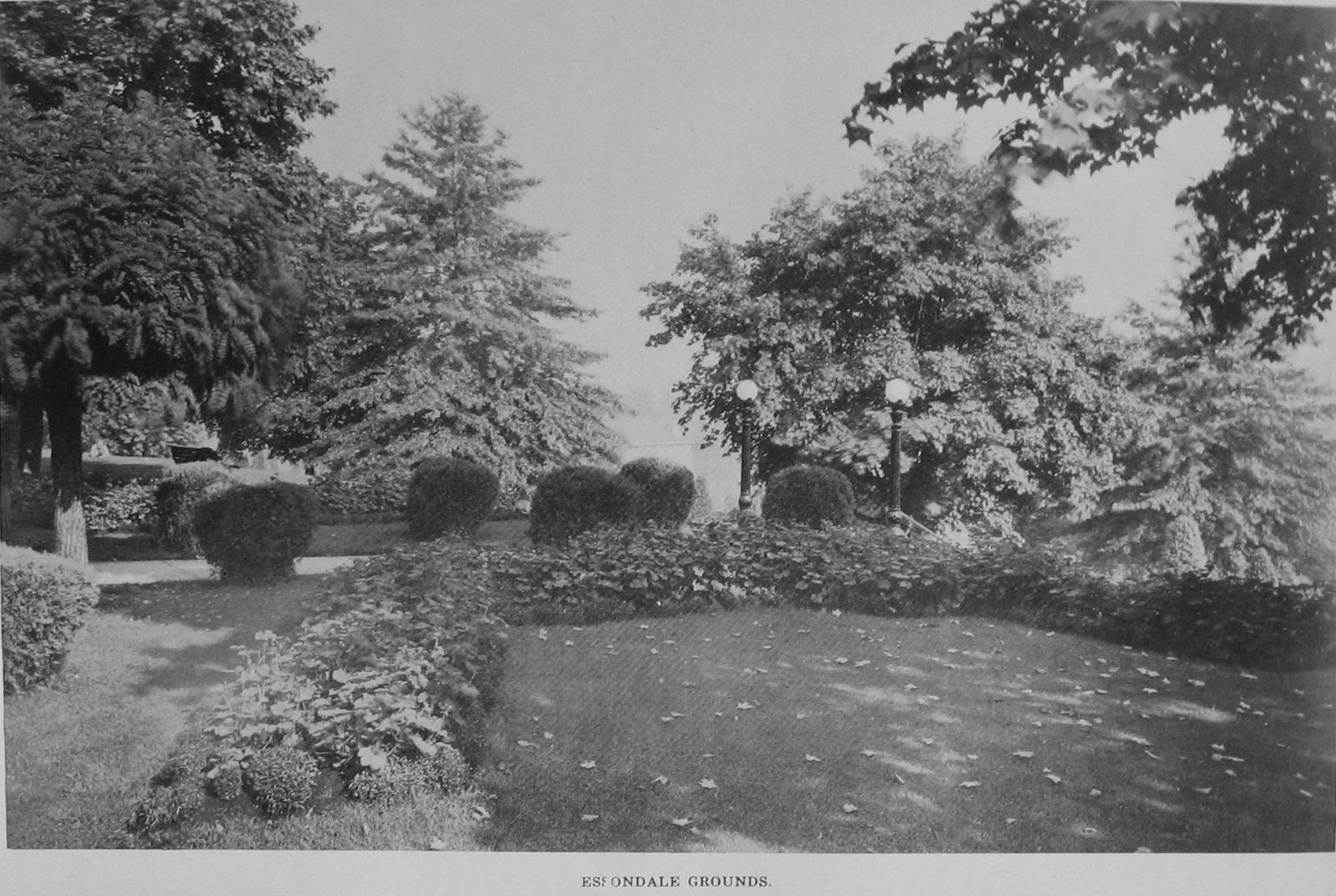
* Cover photo: Niall Williams, Wikimedia Commons, CC BY-SA 2.0
Riverview Hospital was the institution that shaped north Coquitlam for nearly a century. First opened in 1913 on a vast forested site above the Coquitlam River, it grew into one of the largest psychiatric hospitals in Canada, a self-contained community with its own farms, gardens, power plant, and grand institutional architecture. Its closure in 2012 marked the end of an era, but the grounds remain one of the most remarkable places in the Tri-Cities.
From farm to hospital
The story of the site begins in 1905, when construction started with the assistance of 25 patients from the Provincial Hospital for the Insane in New Westminster, who cleared land and built farm buildings and temporary shelters. In 1911, John Davidson, British Columbia's first provincial botanist, established an arboretum, nursery, and botanical garden on the lands, often using patient labour in the contemporary belief that outdoor work was therapeutic.
The first building, West Lawn, opened in 1913 as the Male Chronic Wing. There were 453 patients living on site that year, and by the end of the year the building alone held 919, nearly double its intended capacity of 480. Treatments of the era included medication, rest, and hydrotherapy. The institution was named Essondale Hospital after Henry Esson Young, the provincial secretary and minister of education who directed its establishment.
A city within a city
The hospital grew steadily through the first half of the twentieth century. The Acute Psychopathic Unit, later known as Centre Lawn, opened in 1924. The 675-bed Female Chronic Unit, later East Lawn, followed in 1930 to relieve overcrowding at the New Westminster mental hospital. The Veteran's Unit was inaugurated in 1934 and grew into the Crease Clinic of Psychological Medicine in 1949, and a tuberculosis unit, later North Lawn, opened in 1955.
Meanwhile, Colony Farm on the hospital lands was producing over 700 tons of crops and 20,000 gallons of milk a year, largely through patient labour, feeding staff and patients alike. At its peak, the hospital housed 4,725 patients, effectively one of the largest communities in what are now the Tri-Cities. The institution was renamed the Provincial Mental Hospital, Essondale in 1950, and the Crease Clinic and Essondale hospital merged in 1965.
Deinstitutionalization and closure
From the mid-1950s, the introduction of antipsychotic medication allowed many patients to return to their communities, and care philosophy shifted away from custodial institutions. The 1964 Mental Health Act pushed mental health care toward local centres, and seventeen community mental health centres opened across British Columbia by 1970. A decision to downsize Riverview was made as early as 1967, and the patient population declined over the following decades.
The hospital was renamed Riverview Hospital in 1983 and finally closed in July 2012. In December 2015, the provincial government announced plans to replace the obsolete buildings with modern mental health facilities, and on October 12, 2021, the Red Fish Healing Centre for Mental Health and Addiction opened on the site, returning specialized mental health care to the grounds.
The grounds today
The Riverview lands remain extraordinary. The arboretum established by John Davidson in 1911 survives as one of the finest heritage tree collections in British Columbia, with rare and specimen trees now more than a century old. It draws walkers, photographers, and tree enthusiasts year-round, and has been celebrated through community events such as the Riverview Tree Festival.
Several grand heritage buildings survive on the site, their brick facades and treed lanes lending the grounds an atmosphere found nowhere else in the region. That same atmosphere has made Riverview one of the busiest filming locations in British Columbia. The site has stood in for hospitals, schools, asylums, and entire fictional towns in hundreds of film and television productions, and active sets periodically close parts of the grounds on short notice.
The future of the site remains a subject of public discussion, balancing heritage preservation, mental health services, filming, and community access. Whatever comes next, the trees planted in 1911 and the buildings raised from 1913 onward will keep the story of Essondale written into the Coquitlam landscape.
Davidson's arboretum legacy
Of everything John Davidson started in 1911, the trees may be his most visible legacy. The arboretum, nursery, and botanical garden he established on the hospital lands grew into a collection that tree experts now rank among the most significant in the province. Century-old specimens from around the world line the lanes between the heritage buildings, and the collection has long been a pilgrimage site for arborists and photographers, celebrated through community events such as the Riverview Tree Festival.
The grounds also hold quieter, more solemn places, including the Riverview cemetery where patients and staff were laid to rest, a reminder that for generations this was not just an institution but a home.
A future still being written
The province continues to weigh the long-term future of the Riverview lands, balancing mental health services, heritage preservation, filming revenue, and public access. Community advocates have pressed for the heritage buildings and the full arboretum to be protected and opened more widely, while the Red Fish Healing Centre has anchored the site's role in mental health care. For Coquitlam residents, the grounds remain a point of civic identity: a place where the city's history, its canopy of rare trees, and its screen-famous architecture all meet.
* Cover photo: Niall Williams, Wikimedia Commons, CC BY-SA 2.0
FAQ
Can I visit the Riverview grounds?
Much of the site is accessible, including the arboretum and walking routes among the heritage trees. Some areas are restricted because of ongoing mental health operations and filming. The Red Fish Healing Centre is a working care facility, not a visitor attraction.
What is being filmed at Riverview?
Riverview is one of BC's busiest filming sites, and productions using it change constantly. The grounds and buildings have appeared in hundreds of films and television series. Active sets may close parts of the site on short notice.
What happened to the patients when Riverview closed?
Patients were transitioned to community-based and regional facilities over many years before the 2012 closure. The Red Fish Healing Centre opened on the site in 2021, and other mental health beds were added across the region.
Why was it called Essondale?
The hospital was named after Henry Esson Young, the provincial secretary and minister of education who directed its establishment in 1913. The name stuck for decades before the hospital became Riverview in 1983.
Sources
Follow Tri-Cities Daily
Daily local news, events and guides on Instagram: @tricitiesdaily
Related stories
Ioco: the company town Imperial Oil built on Port Moody's shore
Ioco began in 1914 as housing for Imperial Oil's new refinery and grew into a planned townsite. It is now a protected heritage area in Port Moody.
Maillardville and Festival du Bois: Coquitlam's French heart
Maillardville was founded in 1909 by French Canadian mill workers recruited to Fraser Mills. Their legacy lives on in Festival du Bois each March.

Fraser Mills: the sawmill town that built Coquitlam rises again
Fraser Mills was a company sawmill town and its own municipality from 1913. Its mill closed in 2001; now a 5,500-home waterfront community rises there.