
Alouette Lake guide: Maple Ridge's mountain reservoir
Short answer: Alouette Lake is a 16-kilometre lake and reservoir in Maple Ridge, at the southeastern foot of the Golden Ears inside Golden Ears Provincial Park. Originally called Lillooet Lake, it was renamed in 1914, and a 1928 dam enlarged it into a reservoir feeding a power tunnel through the mountain.
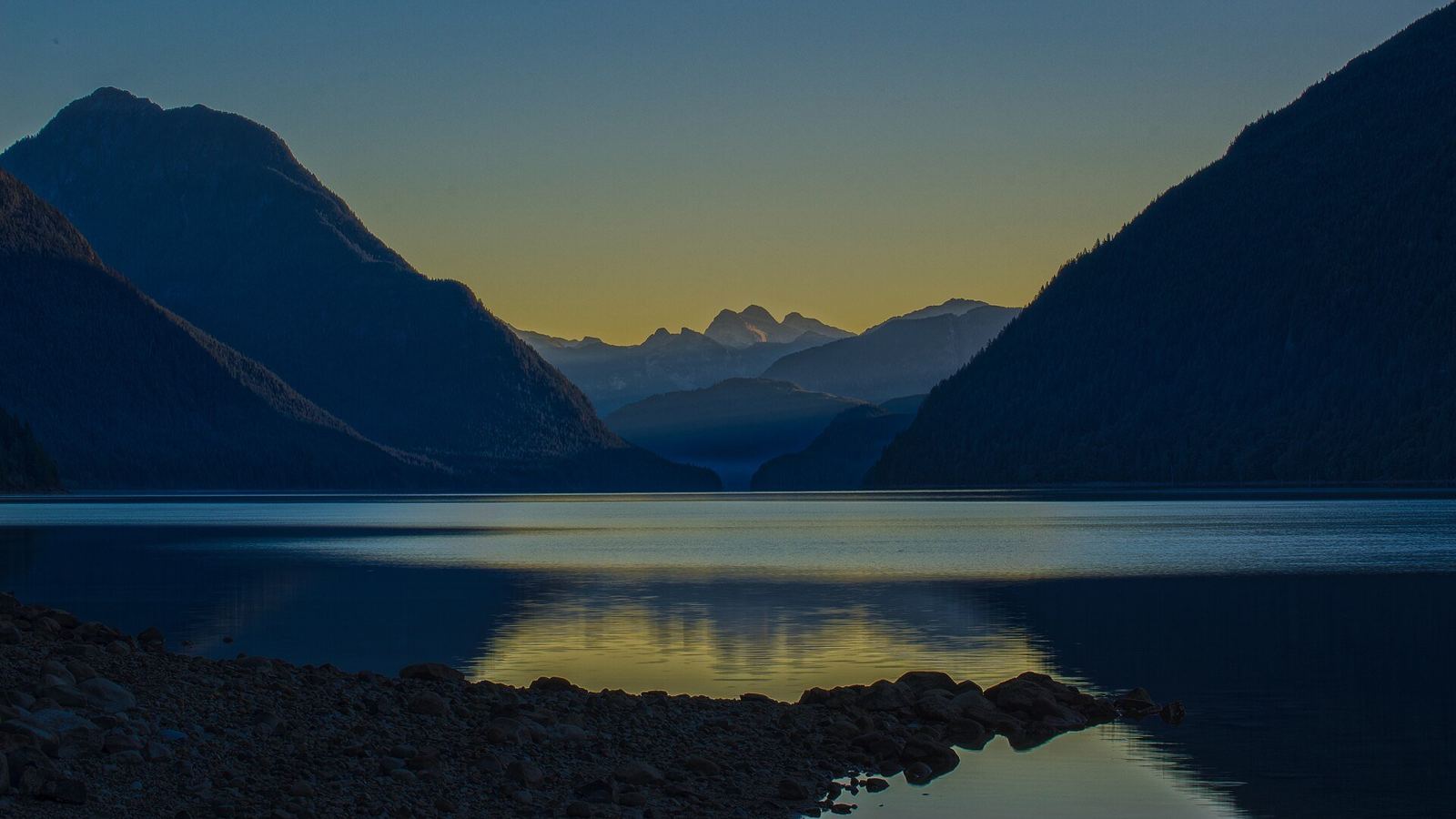
* Cover photo: Jerry Meaden, Wikimedia Commons, CC BY 2.0
Alouette Lake is the centrepiece of Golden Ears Provincial Park, a 16-kilometre ribbon of mountain water in Maple Ridge about 45 minutes from the Tri-Cities. It looks timeless and wild, and in large part it is: most of its basin has never been logged, and its north flank is protected parkland. But the lake is also a working reservoir with a surprising industrial past, and a place with thousands of years of human history behind its current name.
A lake with two names
The lake was originally known as Lillooet Lake, and the river draining it was the Lillooet River. In 1914, both were renamed to avoid confusion with the larger Lillooet Lake and river farther north near Pemberton. The new name, Alouette, is the French word for lark, chosen for being melodious and reminiscent of the original name in tone.
The South Alouette River and Gold Creek feed the lake, which runs on a northeast-southwest axis and reaches a maximum depth of 159 metres. In a quirk of municipal geography, a small corner of the lake's largely inaccessible northwestern shore actually lies inside the District of Mission, because of the rectangular shape of that district's boundary.
The dam and the tunnel through the mountain
Alouette Lake was once much smaller, only about 2 kilometres long. In 1926, BC Hydro began construction of the Alouette Dam on the South Alouette River, and by 1928 the enlarged reservoir was in service. Unusually, there is no powerhouse at the dam. Instead, a 1,067-metre tunnel connects Alouette Lake through the flank of the ridge between Mount Crickmer and Robie Reid to Stave Lake, where a penstock drives the 8-megawatt Alouette Powerhouse midway along Stave Lake's western shore.
Access to the dam site followed a former railway grade along the river, which had earlier served as a logging railway. The result is a lake that reads as pure wilderness from the beach but quietly feeds the provincial power grid.
The people of the lake
Long before it was a reservoir, the lake and its rivers sustained the Katzie First Nation. Archaeological studies indicate fishing around Alouette Lake for several thousand years, with five species of Pacific salmon, steelhead, sturgeon, and trout among the traditional harvest. The surrounding forests provided mule deer, Roosevelt elk, mountain goat, black bear, and beaver, while cedar bark, wapato, cranberries, and other plants were gathered across the basin.
The 1928 dam blocked salmon from reaching the lake. The Katzie First Nation has worked to restore spawning salmon above the dam in partnership with BC Hydro and the Alouette River Management Society, and has led studies of plant diversity in the lake's riparian zone as part of its ongoing stewardship of its traditional territory.
Visiting Alouette Lake
For Tri-Cities day trippers, the lake is the heart of summer in Golden Ears Provincial Park. The South Beach day-use area at Alouette Lake offers a broad sandy beach, swimming, picnic tables, and boat launches, and the water warms to comfortable swimming temperatures by midsummer near the shore. Canoes, kayaks, and paddleboards set out along forested shores toward views of Mount Crickmer, Robie Reid, and the Stonerabbit Peak skyline, and the narrows at the lake's northern end reward longer paddles.
Campers can base themselves at the park's Alouette or Gold Creek campgrounds and walk to the lake. On summer weekends the day-use parking lots fill by mid-morning, so arriving early is strongly advised, and a free day-use pass may be required during peak periods. Outside summer, the lake is quiet: mist hangs over the water, the mountains dust with snow, and the beach feels like a different world from July.
Getting there from the Tri-Cities
Alouette Lake sits at the end of Golden Ears Way in Maple Ridge. From Coquitlam, the drive takes about 40 to 45 minutes: cross the Pitt River on the Pitt River Bridge or the Golden Ears Bridge, follow Golden Ears Way east, and continue on Fern Crescent into the park. There is no transit into Golden Ears Provincial Park, so a car, bike, or carpool is essential. The park gate closes overnight, with hours varying by season.
Seasons on the lake
Summer belongs to swimmers and paddlers, but the lake earns a visit in every season. Fall turns the broadleaf maples along the shores gold against the dark conifers, and the first dustings of snow outline the Golden Ears above. Winter is quiet and often misty, with the beach nearly empty and eagles working the river mouth below the dam. Spring runoff freshens the creeks, and by late May the water begins its slow warm-up toward swimming season.
Paddling the narrows
Stronger paddlers should aim for the narrows at the lake's northern end, where the waterway pinches between steep forested slopes before opening again into the upper basin. The round trip from South Beach is a full half-day on the water, and the reward is solitude: even on the busiest August weekend, the far shore feels untouched. Winds can pick up on the open lake in the afternoon, so morning departures are the smart choice.
* Cover photo: Jerry Meaden, Wikimedia Commons, CC BY 2.0
FAQ
Can you swim in Alouette Lake?
Yes. The South Beach day-use area has a sandy beach and designated swimming areas. The water is mountain-fed, so it stays cool away from the shallow shoreline even in midsummer.
How is Alouette Lake different from the rest of Golden Ears Park?
The lake is the park's most accessible and popular feature, with drive-up beaches and boat launches. The park's hiking trails, waterfalls, campgrounds, and backcountry lie beyond it, mostly reached from Gold Creek.
Why did salmon disappear from Alouette Lake?
The 1928 Alouette Dam cut off spawning access to the lake and upper river. Restoration work by the Katzie First Nation with BC Hydro and the Alouette River Management Society has been returning salmon above the dam in recent years.
Do I need a pass to visit?
Golden Ears is a BC Park, and during peak season day-use passes may be required for popular trailheads. The Alouette Lake South Beach day-use area can fill early on summer weekends, so check BC Parks before you go and arrive early.
Sources
Follow Tri-Cities Daily
Daily local news, events and guides on Instagram: @tricitiesdaily
Related stories
Mill Lake: the Abbotsford mill pond that became the city's front yard
Mill Lake anchors central Abbotsford with a loop trail and boardwalks, but it began as a Sto:lo fishery and boomed as one of BC's biggest sawmill sites.
Golden Ears Provincial Park: the Tri-Cities' mountain playground
Golden Ears Provincial Park, past Maple Ridge, is one of BC's busiest provincial parks: 556 square kilometres of peaks, Alouette Lake, trails and camping.
Campbell Valley Regional Park: Langley's 29 km of trails and history
Campbell Valley Regional Park packs 29 km of trails, a historic farmstead, a schoolhouse, and even an old NASCAR oval into south Langley's largest park.